Sri Lanka
Arriving in Galle
After a 6 + 4 hours flight with 3 hours stopover in Maskat, Colombo was just a night to rest before starting our tour. Our first impression of Sri Lanka were the busy streets of Colombo. The taxi's radio blasted Christmas music and advertisement, the cars made 6 out of 3 lanes and the only traffic rule seems to be "expect a Tuk Tuk from all sides all time".
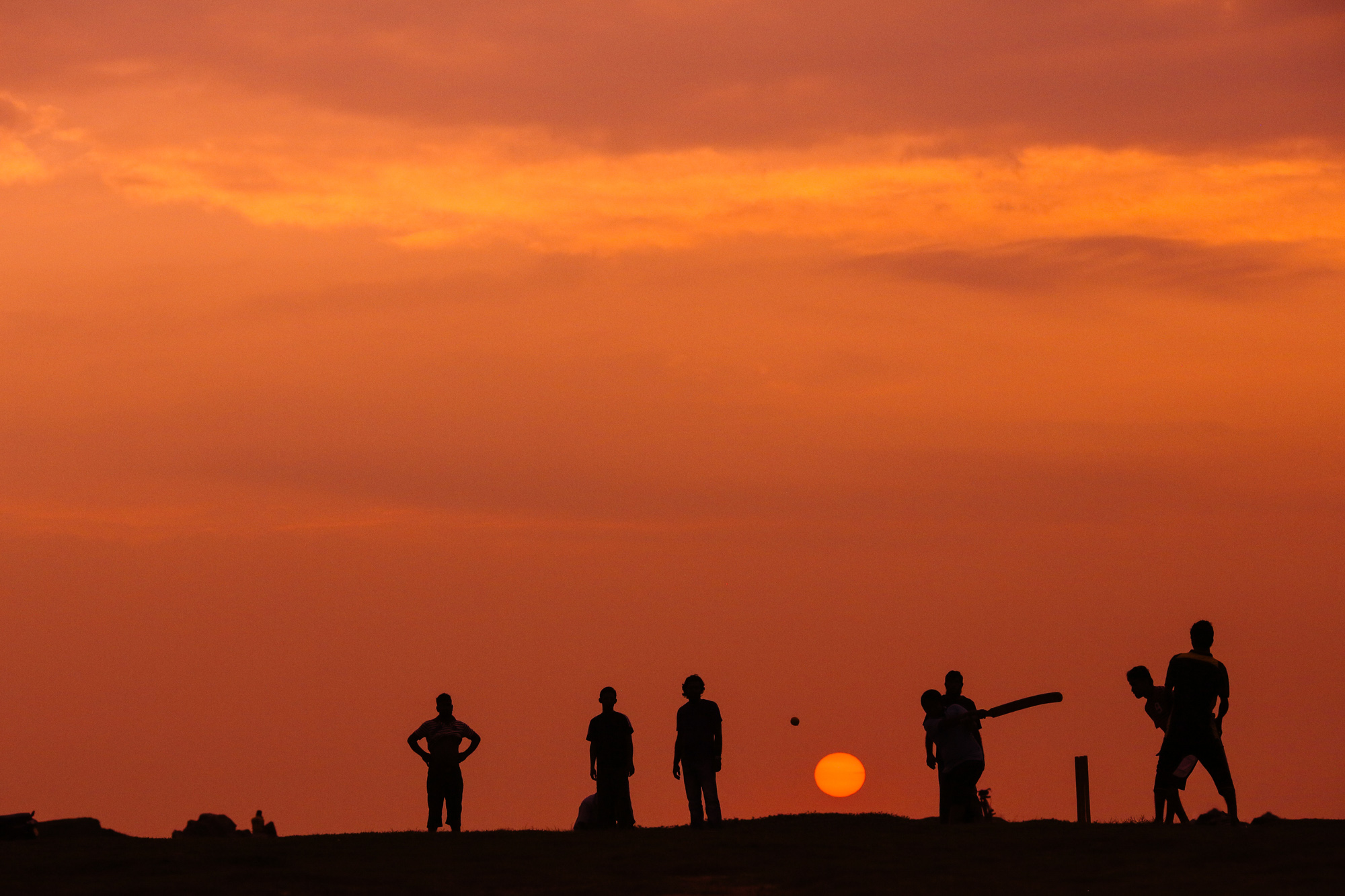
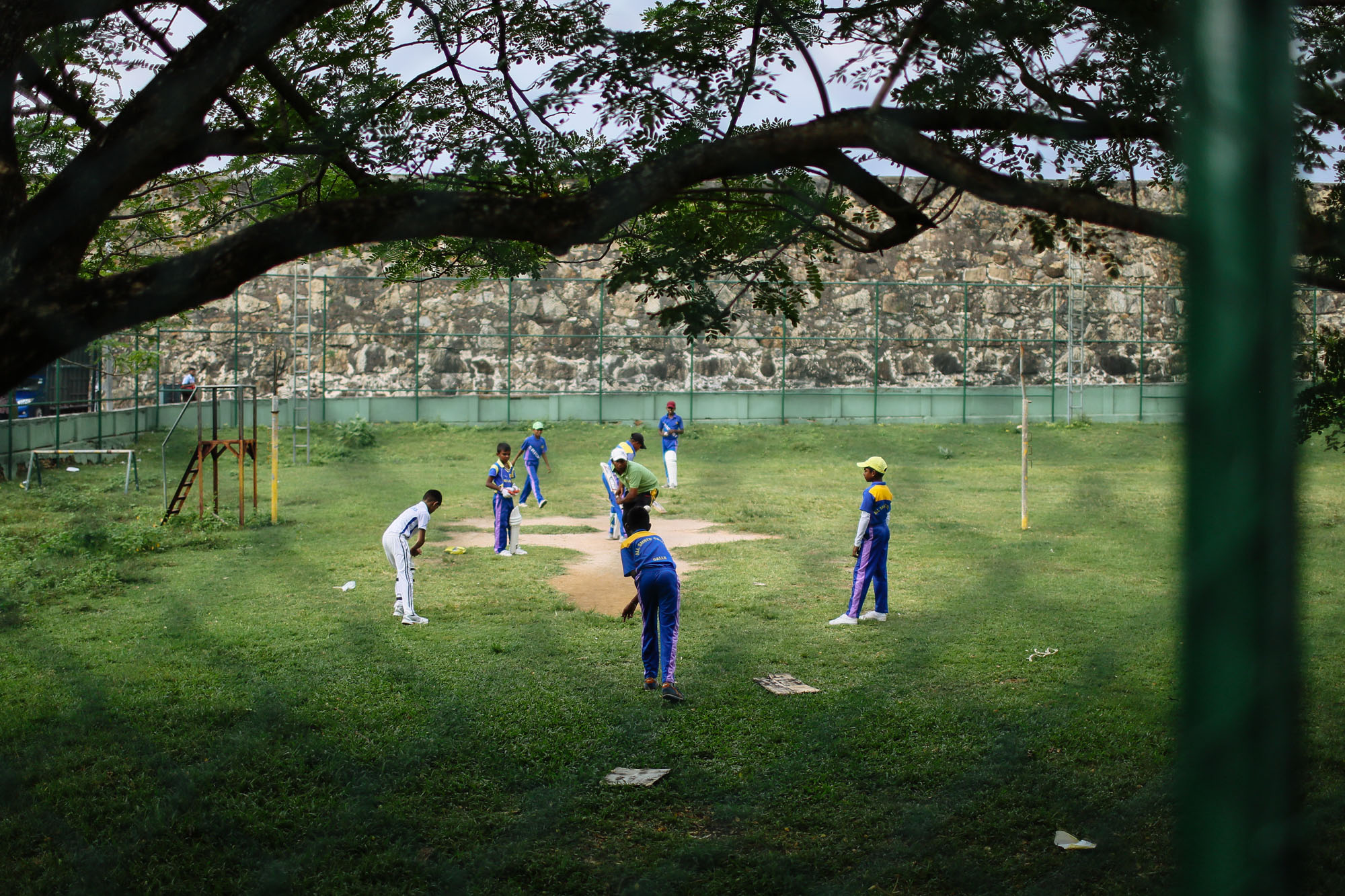
As the weather forecast for the highlands was pretty bad, we decided to start our tour in the south and took the highway express bus to Galle. The first thing to see was Cricket. Cricket is Sri Lankas national sport indeed. Boys and also some girls play it everywhere throughout the country: on huge pitches, training sites and small backyards. Unfortunately I still don't understand the rules and why a game can last up to a few days.
Galle Fort
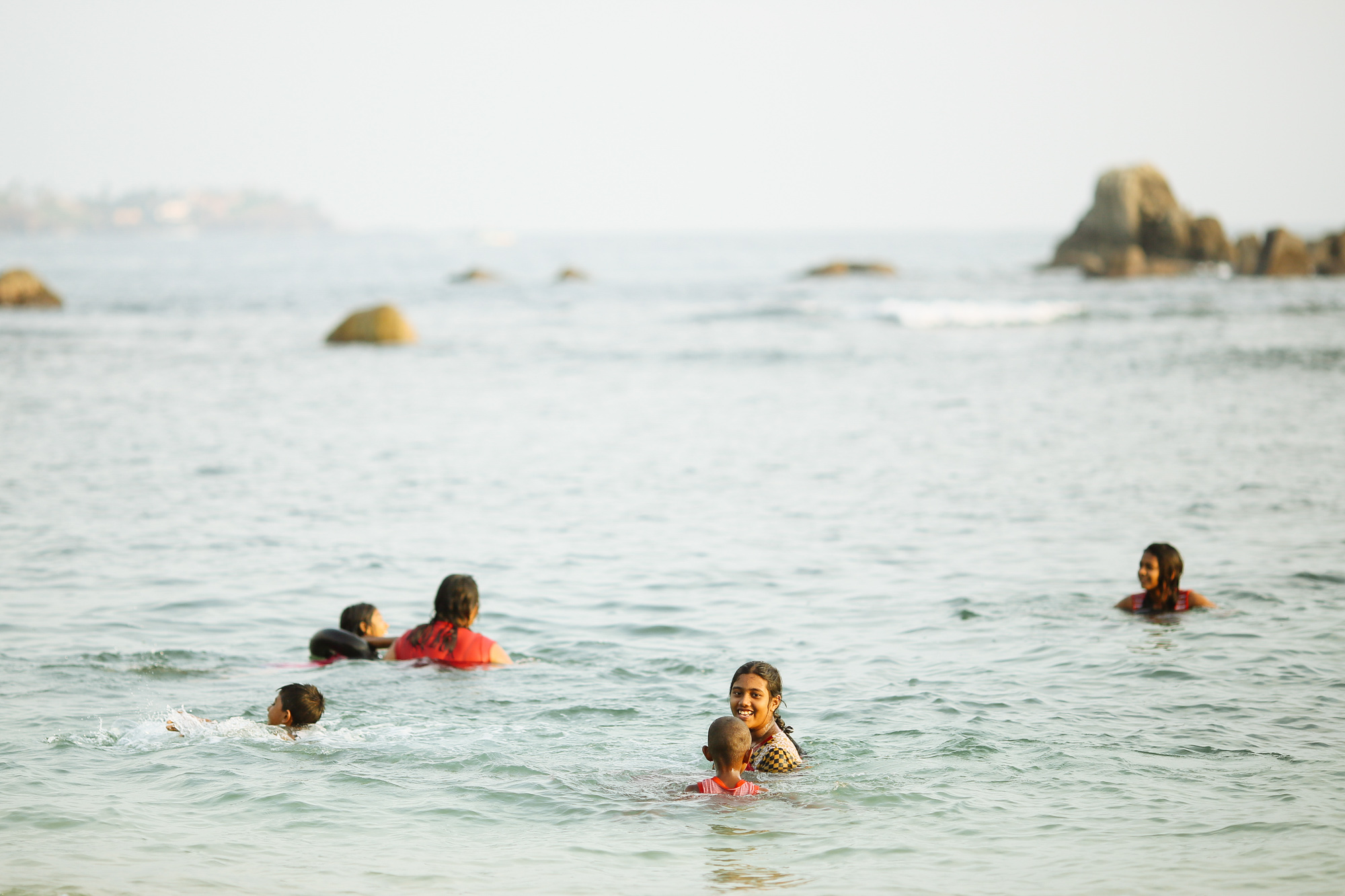
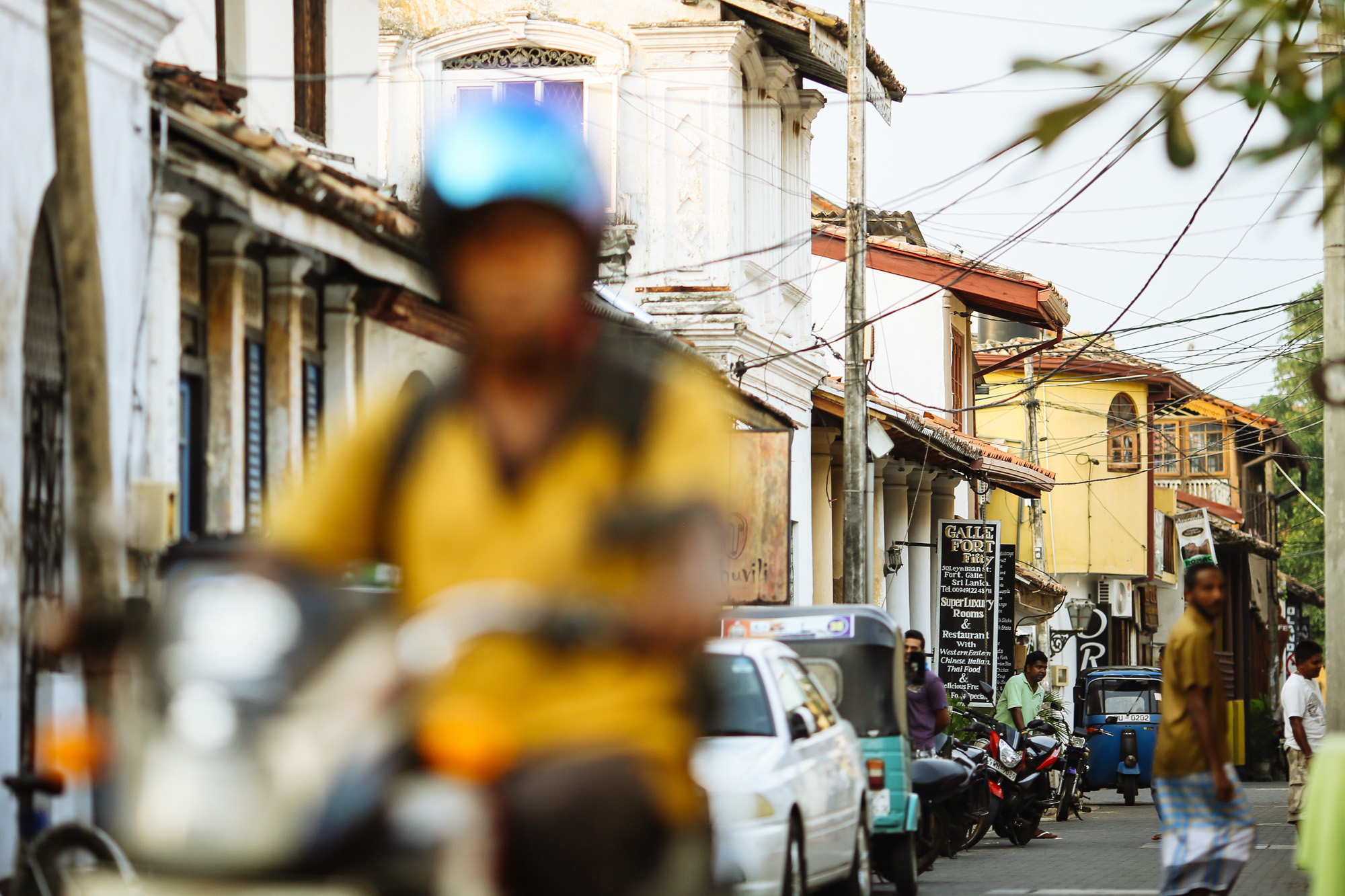
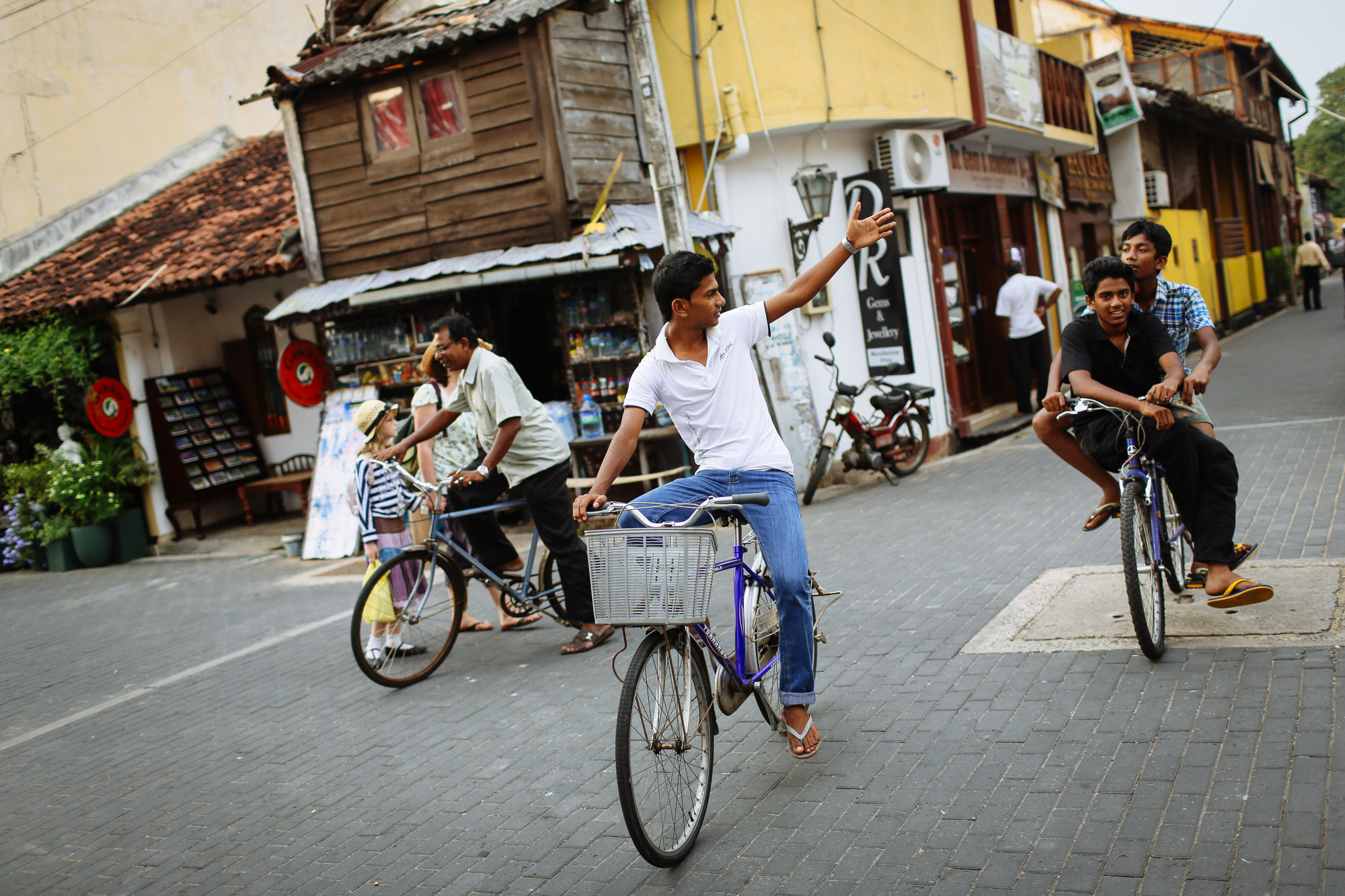
The city of Galle owns an impressive fort surrounding a beautiful ancient town. Reminded us a bit of Hoi An in Vietnam. Right in front of the city wall we found the first beaches.
Fishing
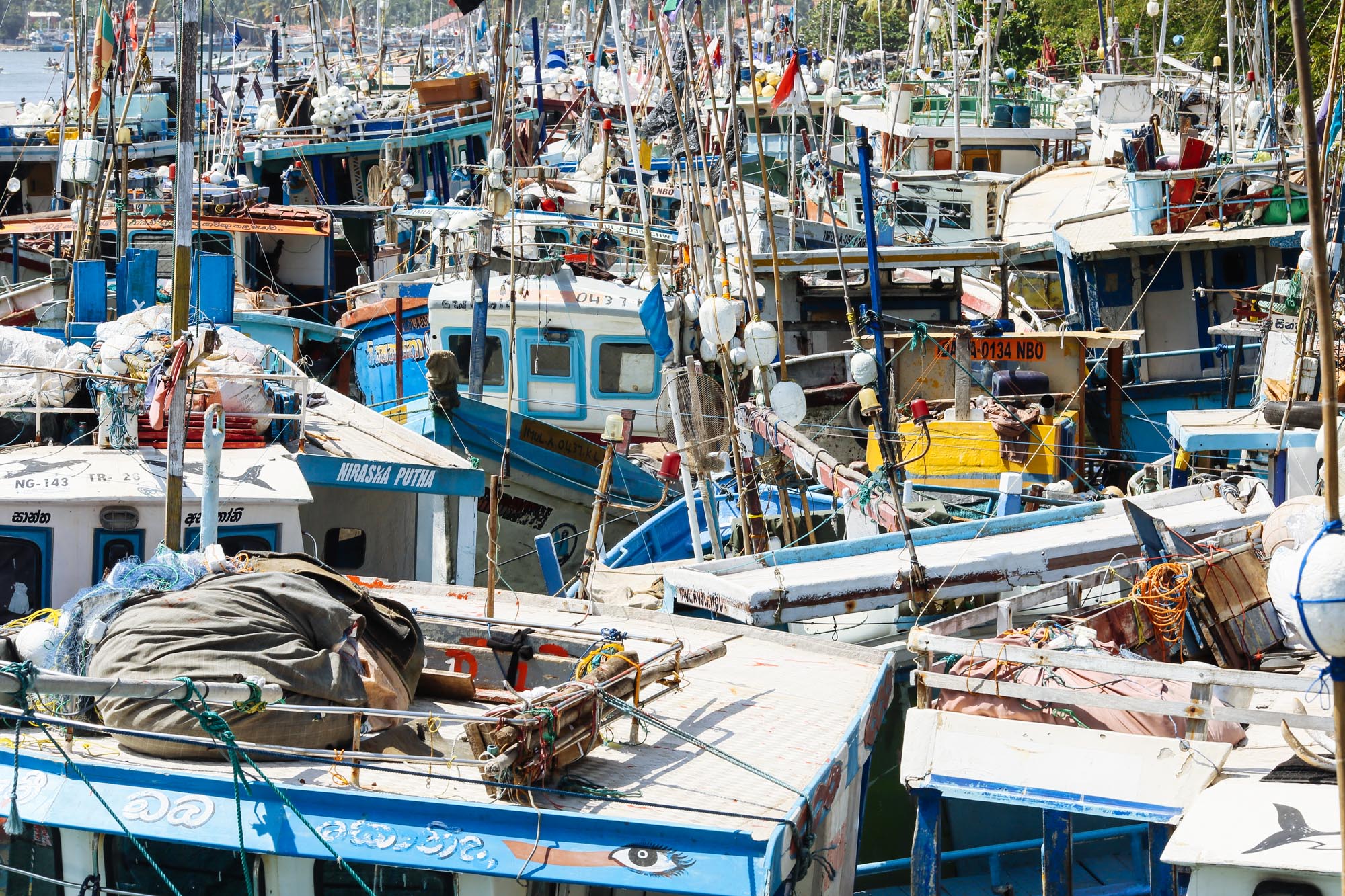
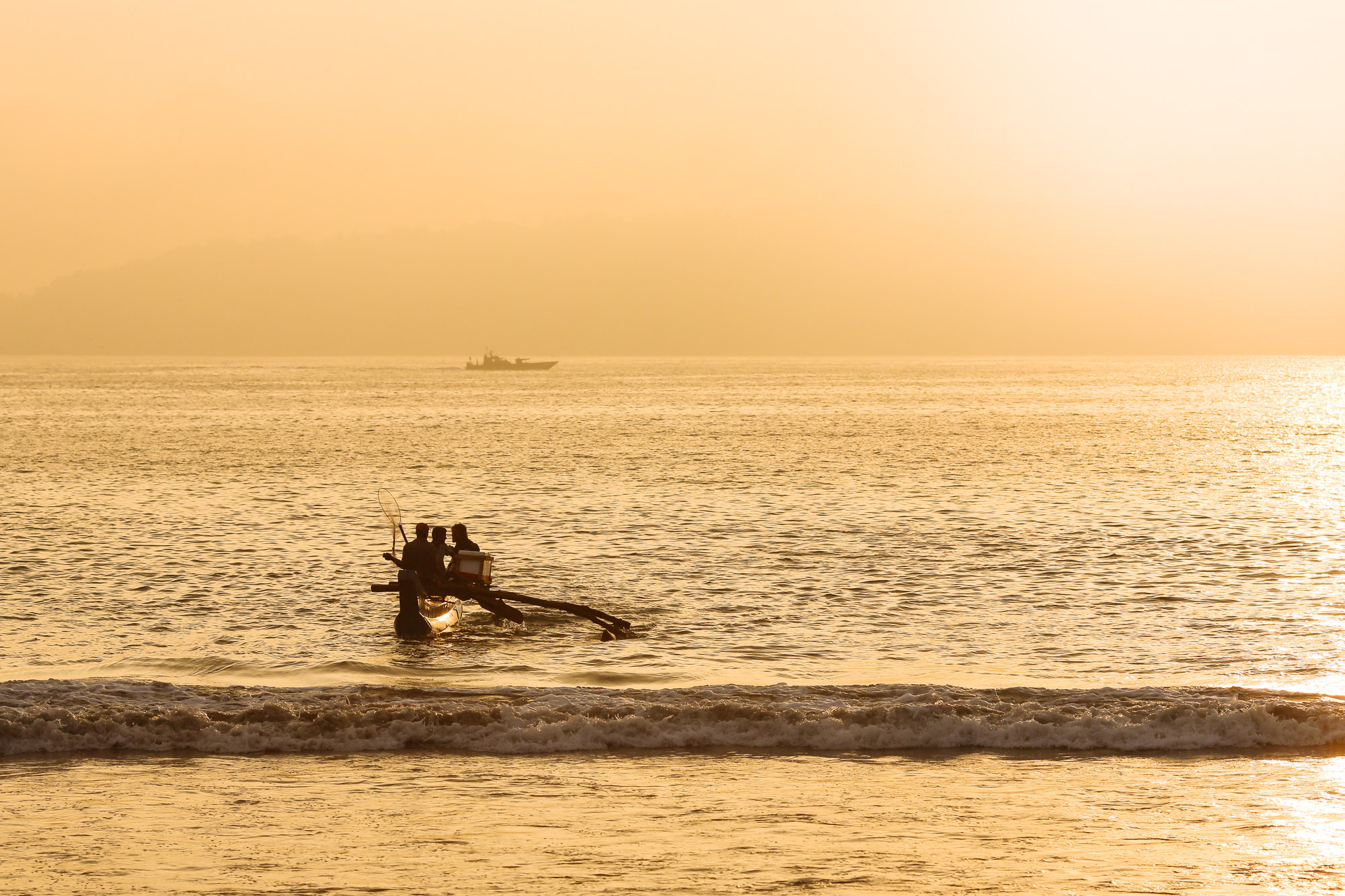
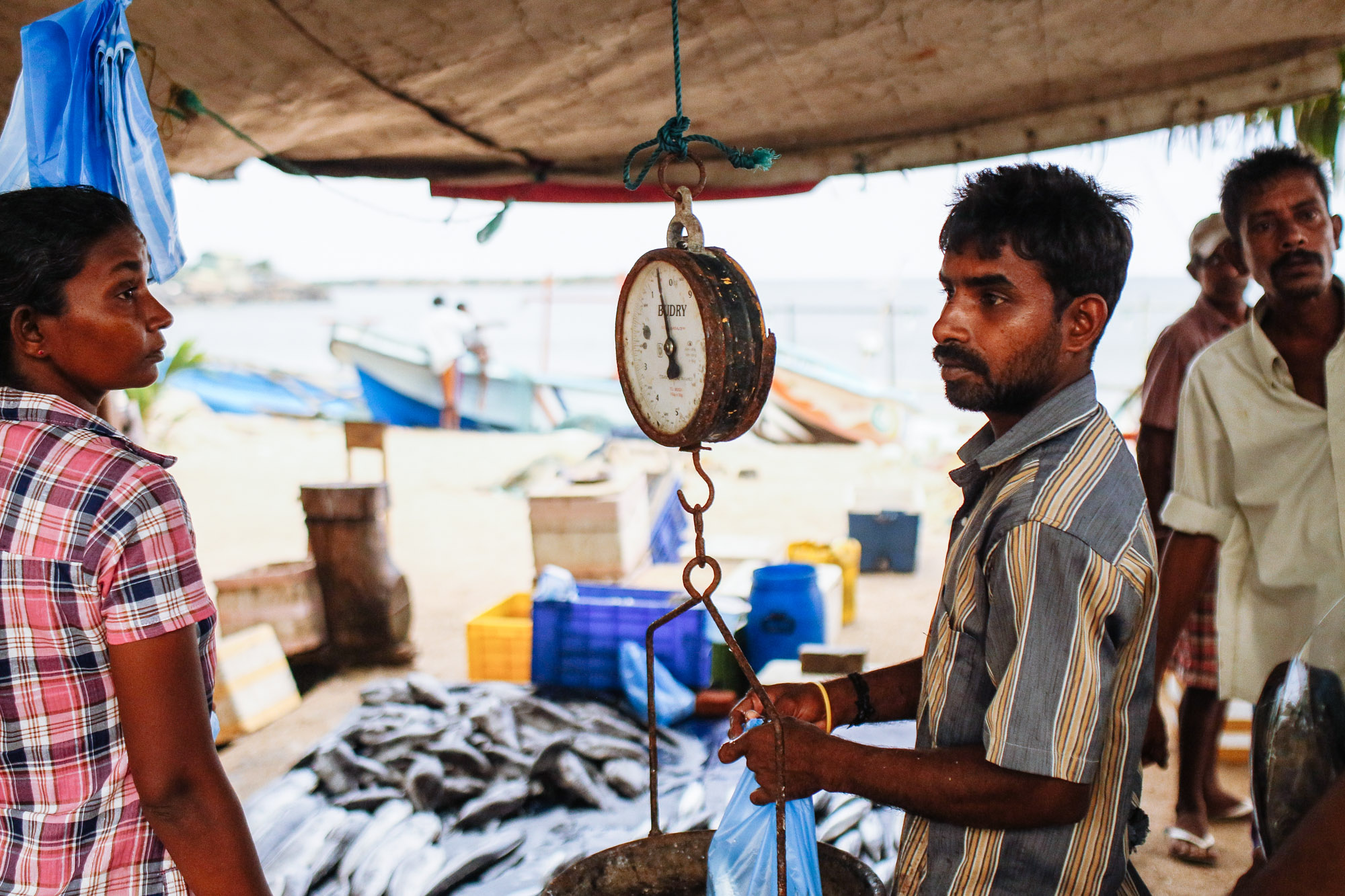
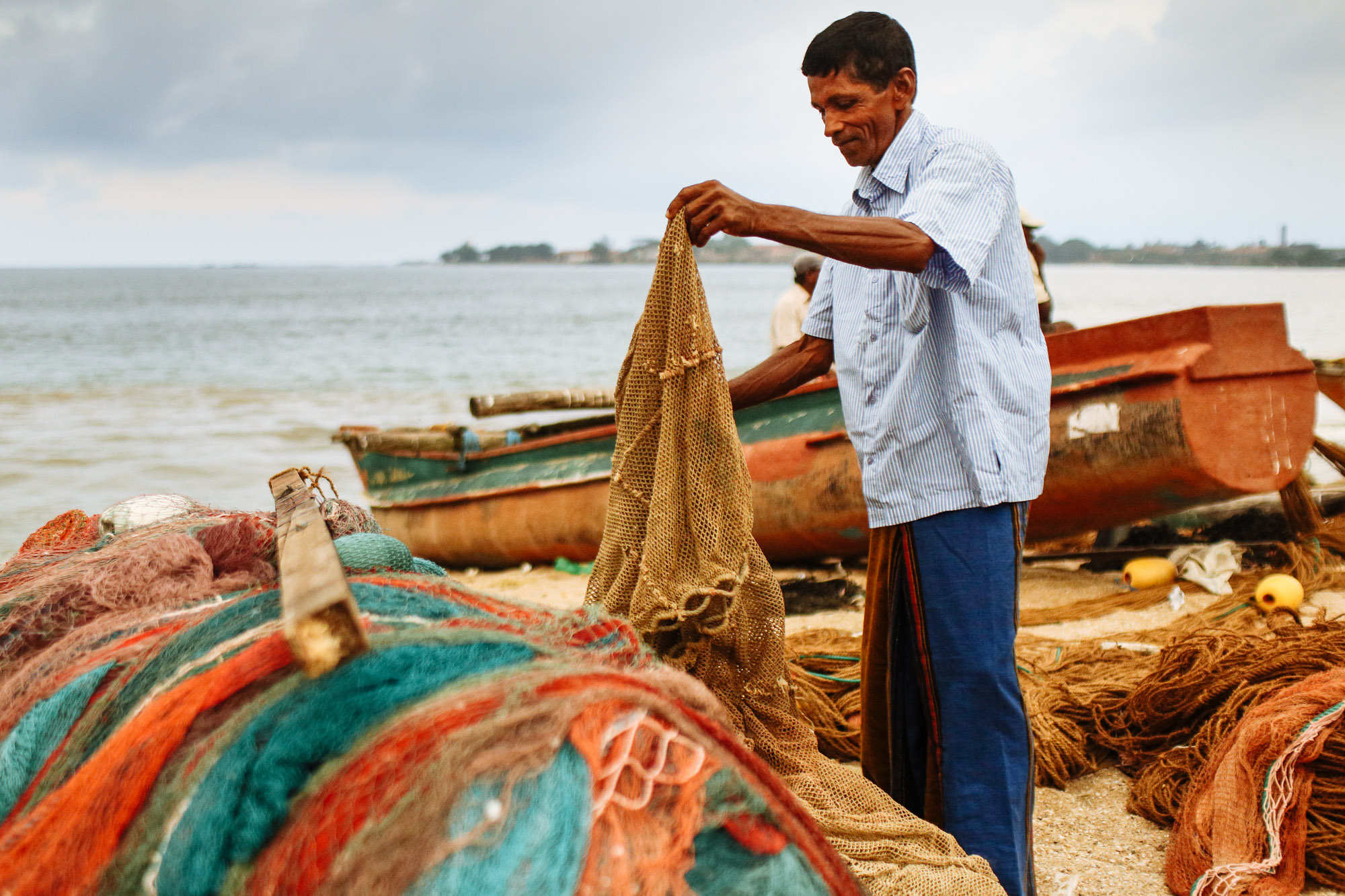
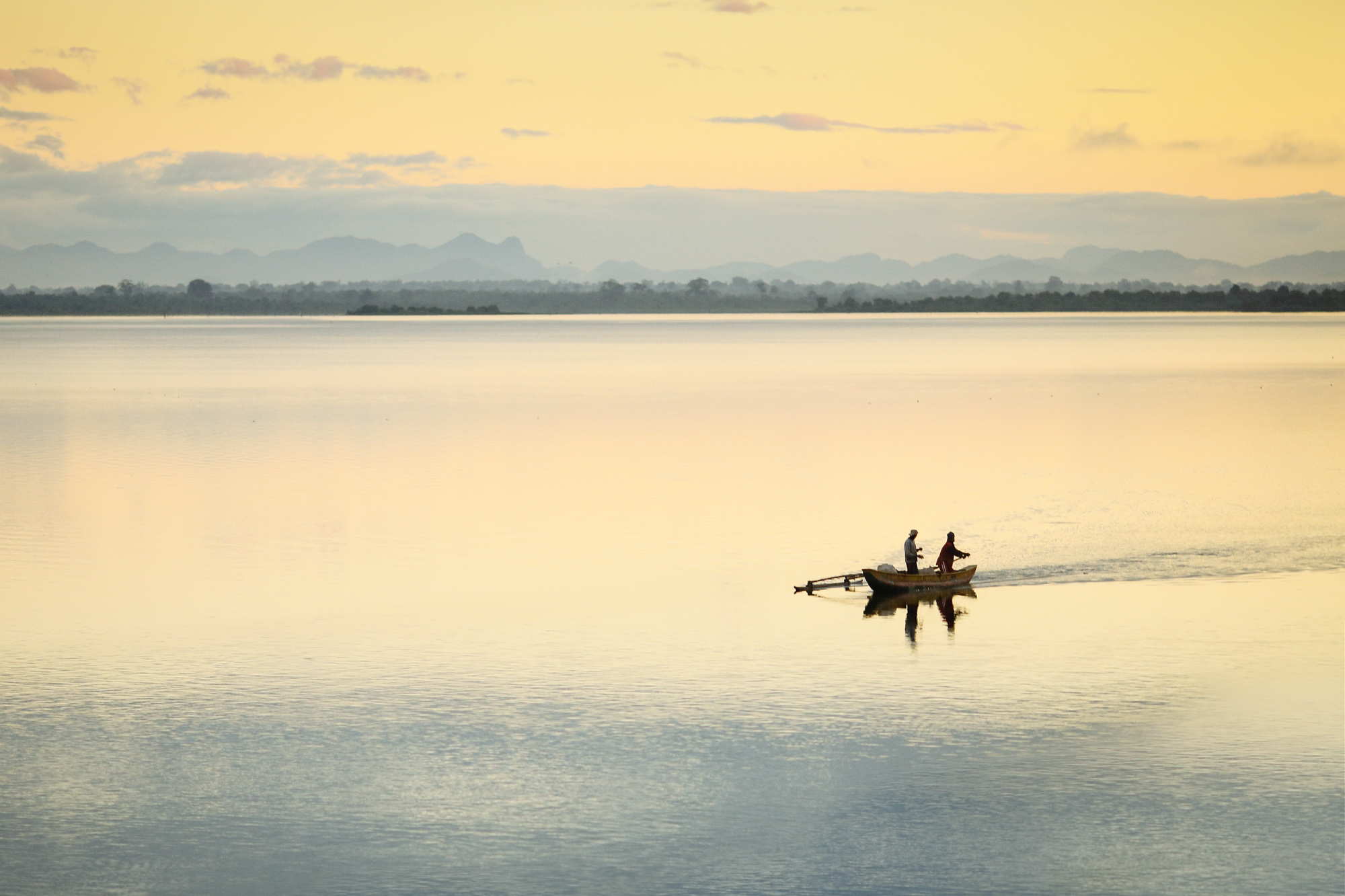
As we are on an island, fish of course is part of the Sri Lankan kitchen. Fishermen arrive on the beach from the very early morning until the afternoon with nets full of fish. The boats are often rented or owned by a company employing the fishermen.

Stilt Fishing
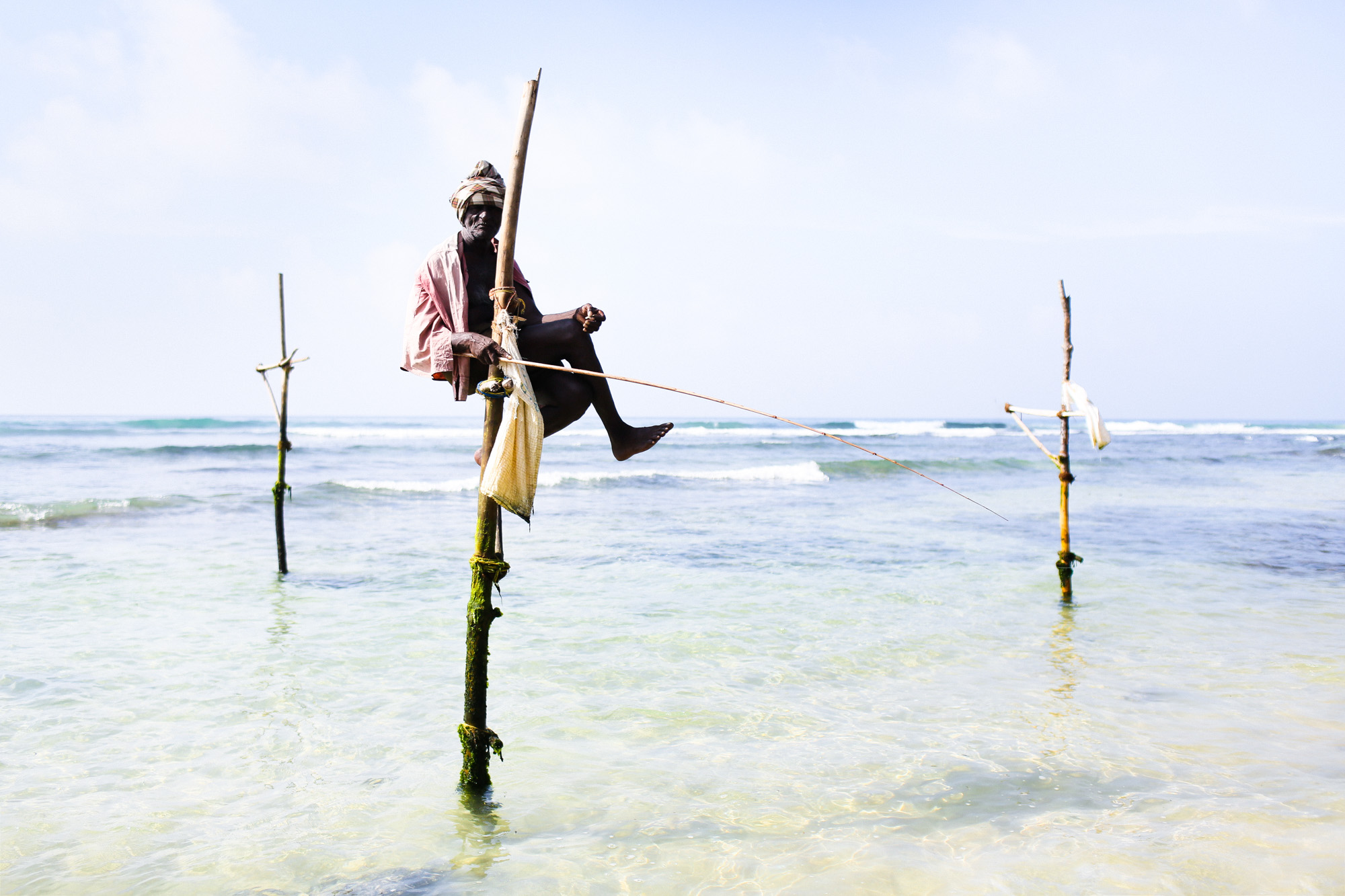
Been a traditional fishing method for hundreds of years, nowadays the fishermen take the shortcut and mainly fish for money. Still, on some beaches hidden from the southern main road, you can find people really fishing from stilts. But if they discover you taking a picture, also those guys might ask for some money. Others don't even try to catch a single fish.
Cooking Class
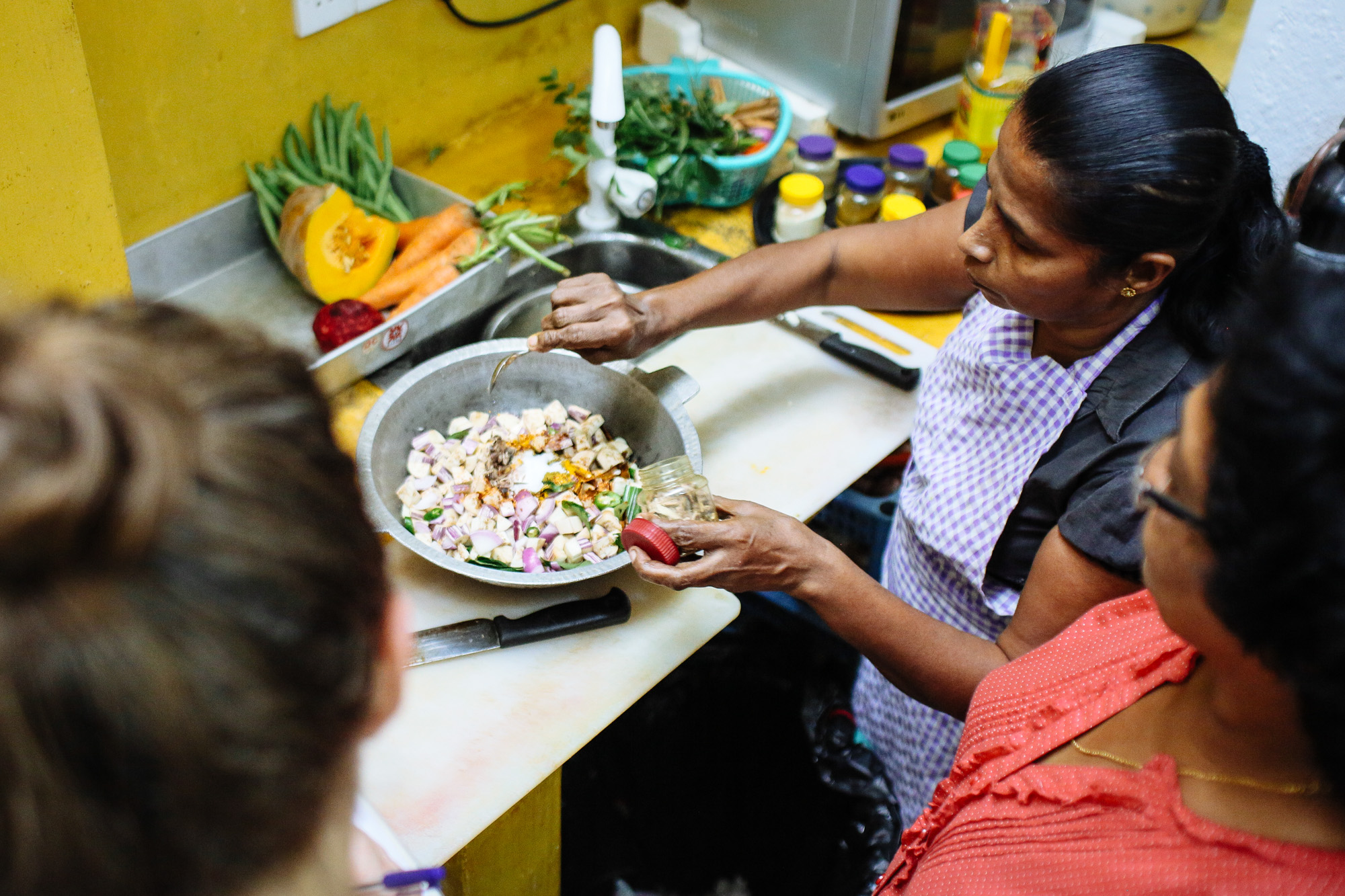
We could not resist to do a cooking class in Galle. The six curries we learned to cook actually differ only by the main ingredient (like beans, okra or beet) and the amount of garlic cloves (between 2 and 4 - per person!). Everything else is more or less the same: a looot of spices and coconut milk.

Market
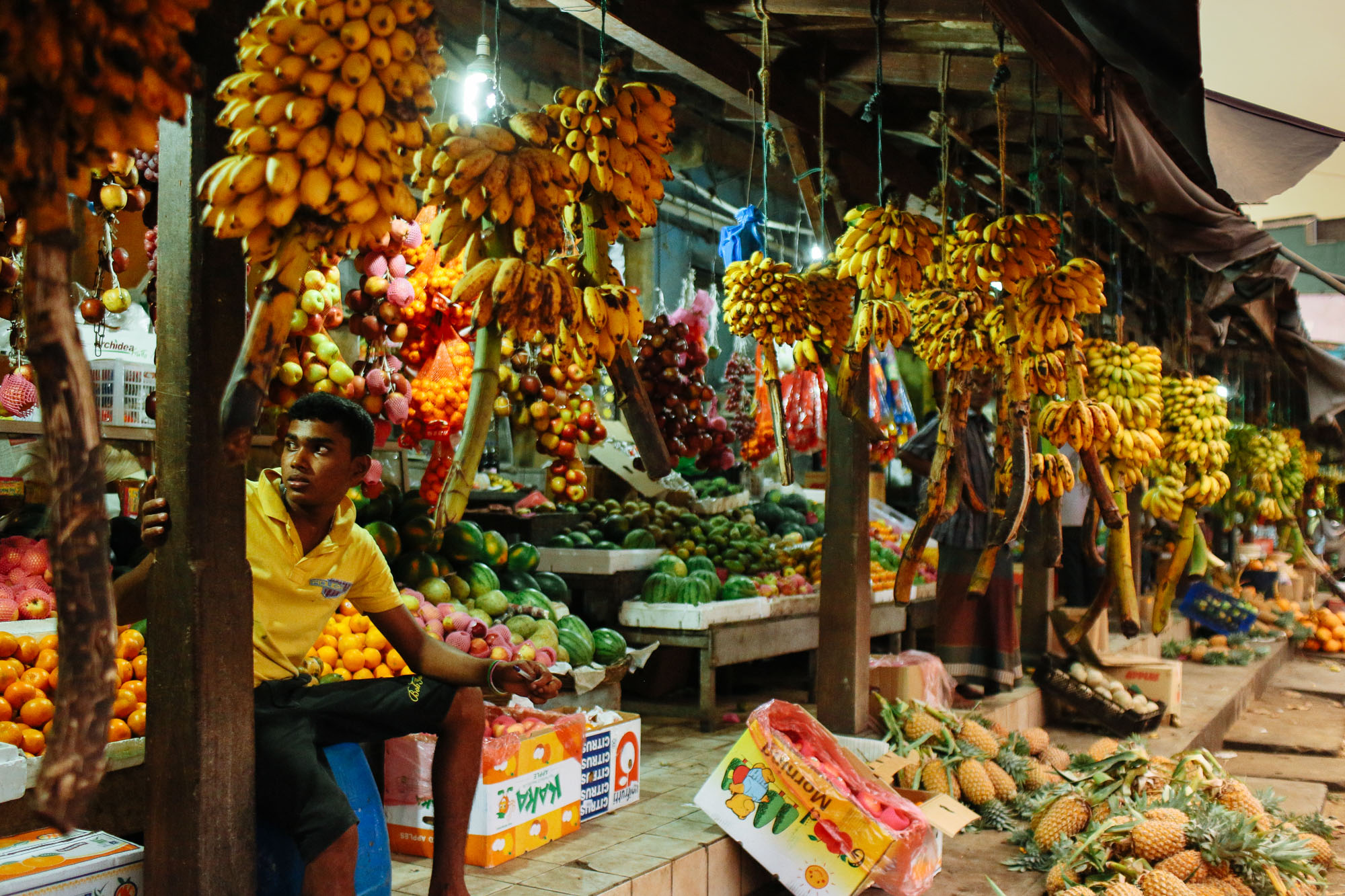
The fruit and fish markets on the beach side of Galle were heavily hit by the Tsunami 2004. While the structures have been well restored, the pain about the disaster still goes deep. Nearly everyone will tell you about it after a certain time.
Getting Around: Buses
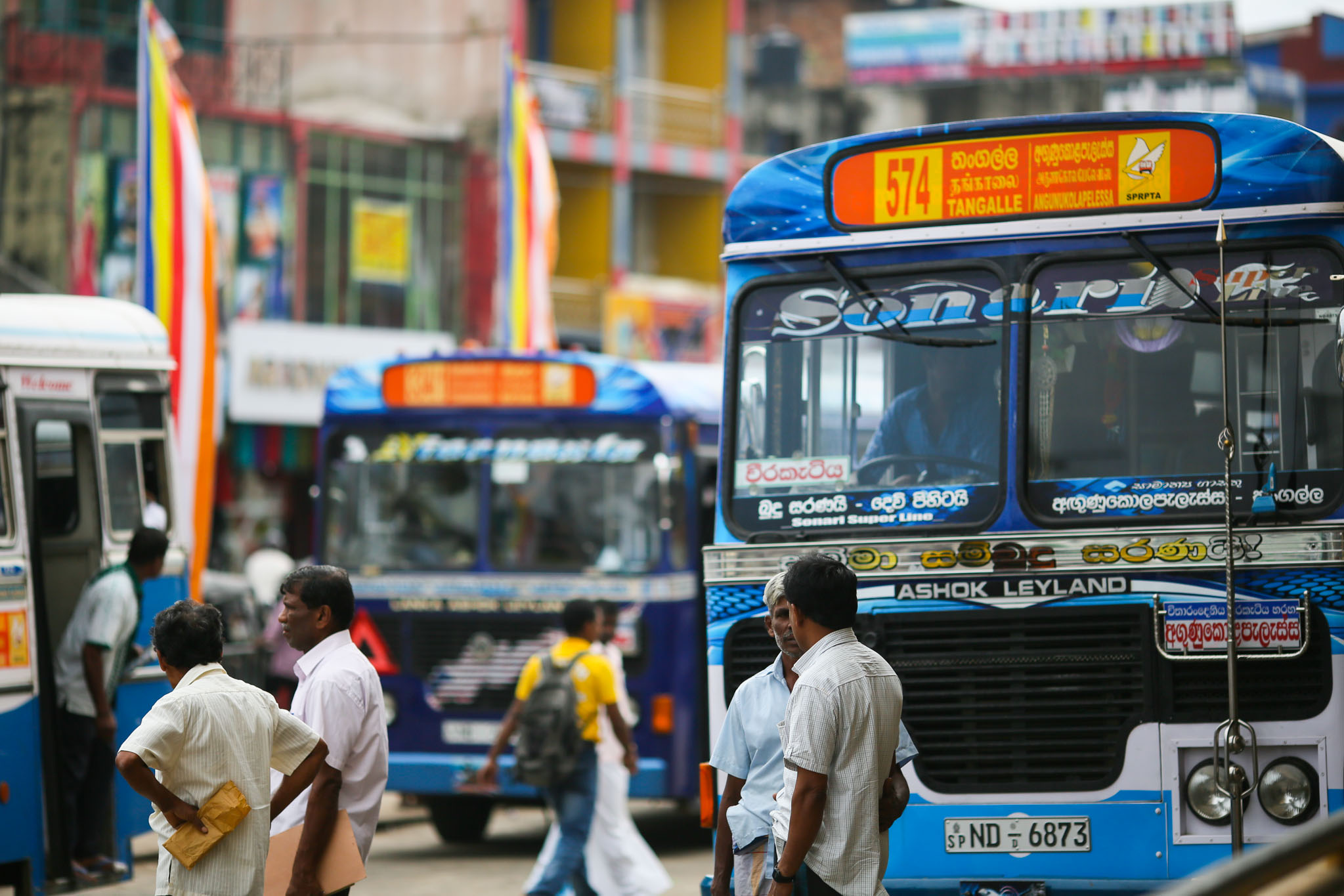
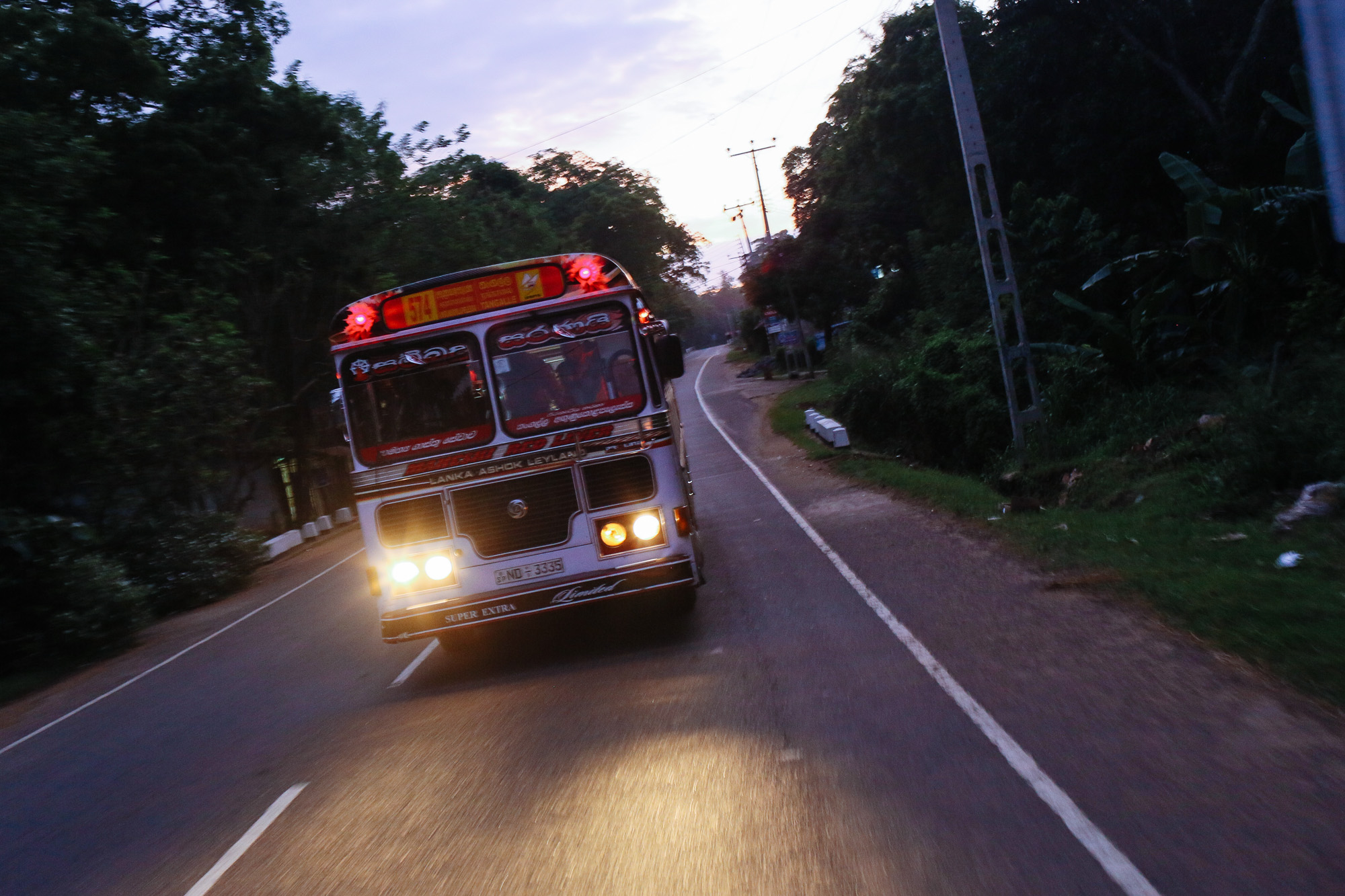
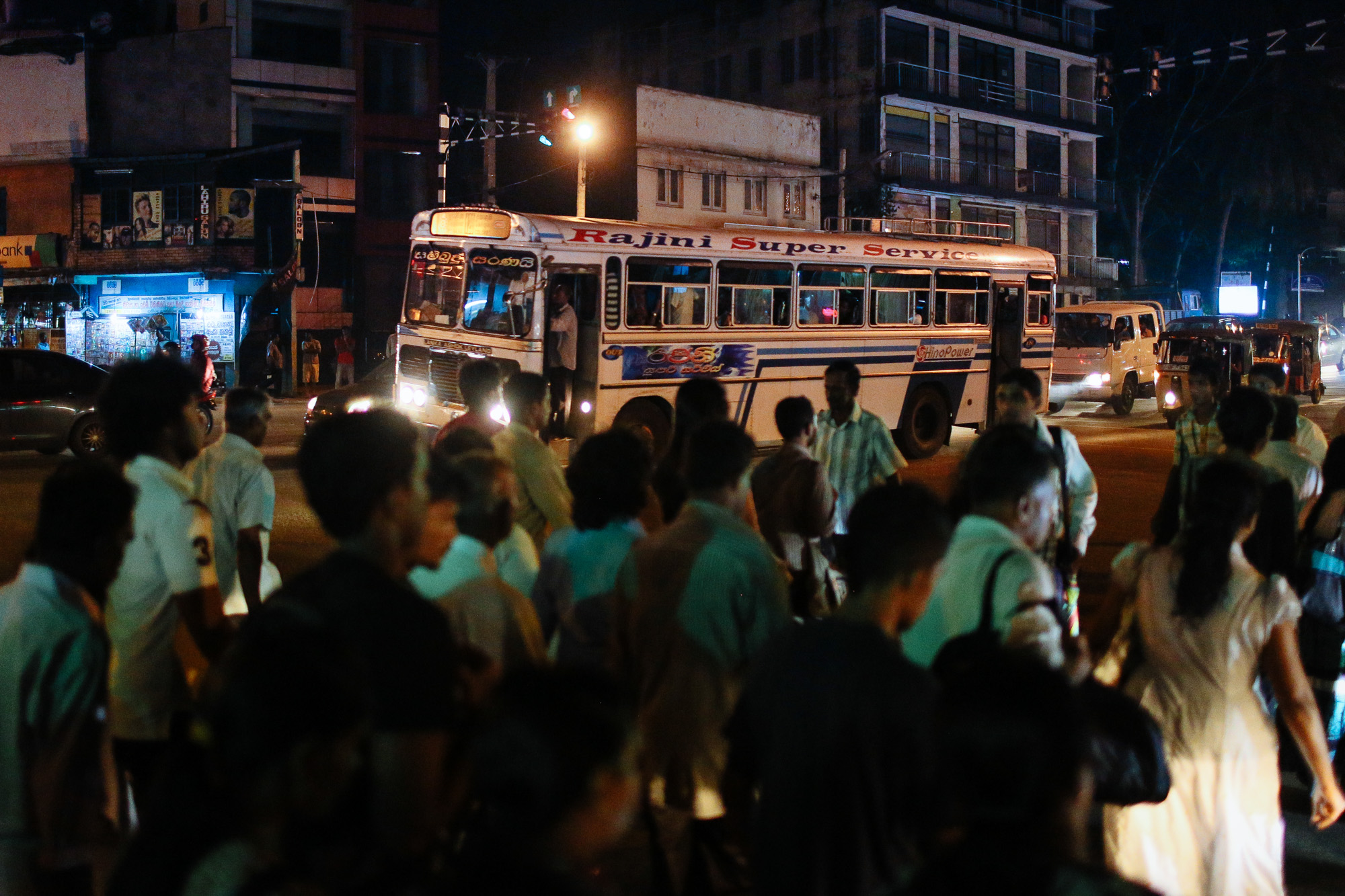
By far the cheapest way to get around the island: Buses. A 5 hour ride across half of the island? That's 250 LKR, please – less than 1,50 EUR. Just be prepared to share the good old Lanka Ashok Leyland bus with 200 other people.

Udawalawe
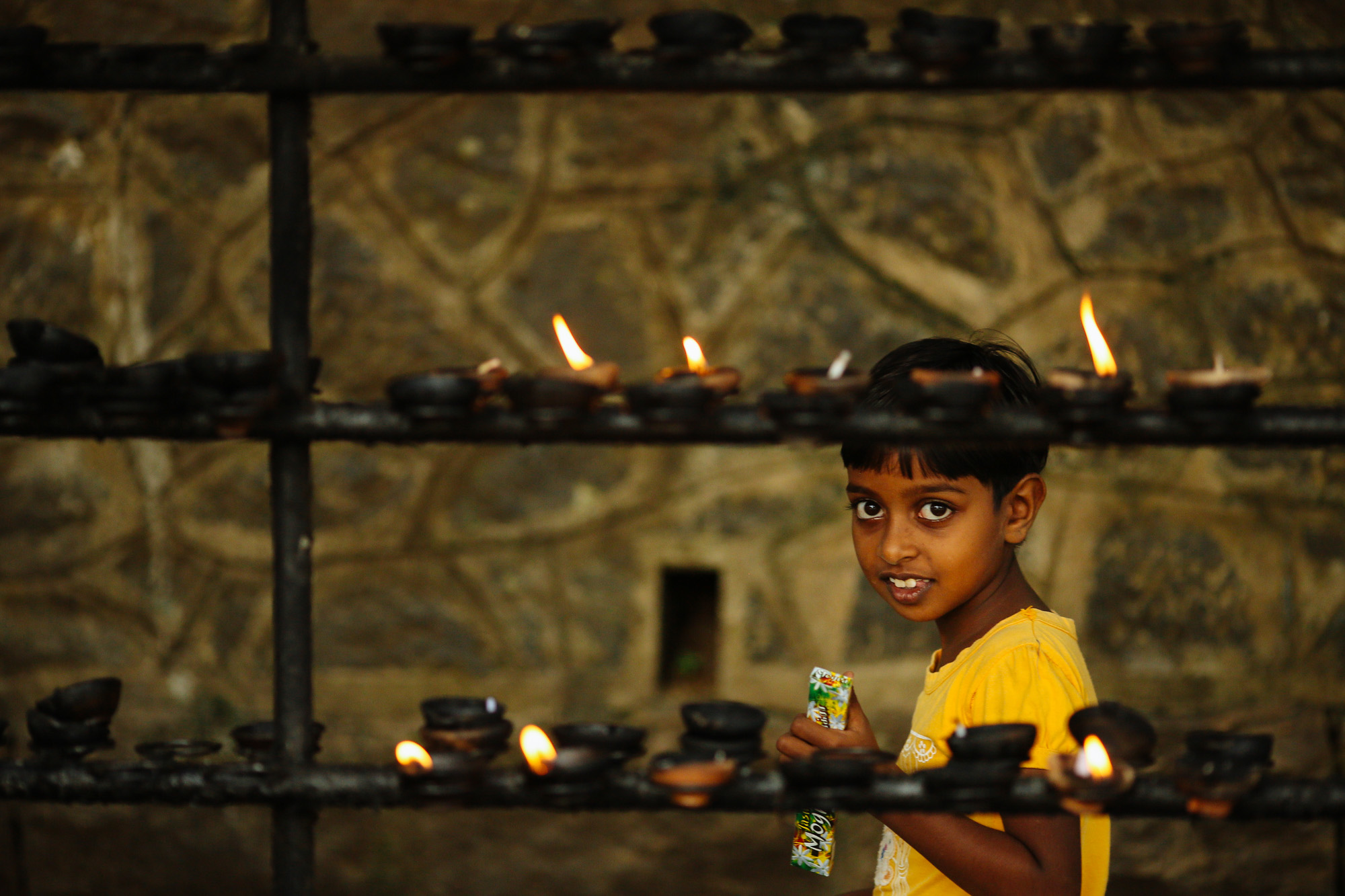
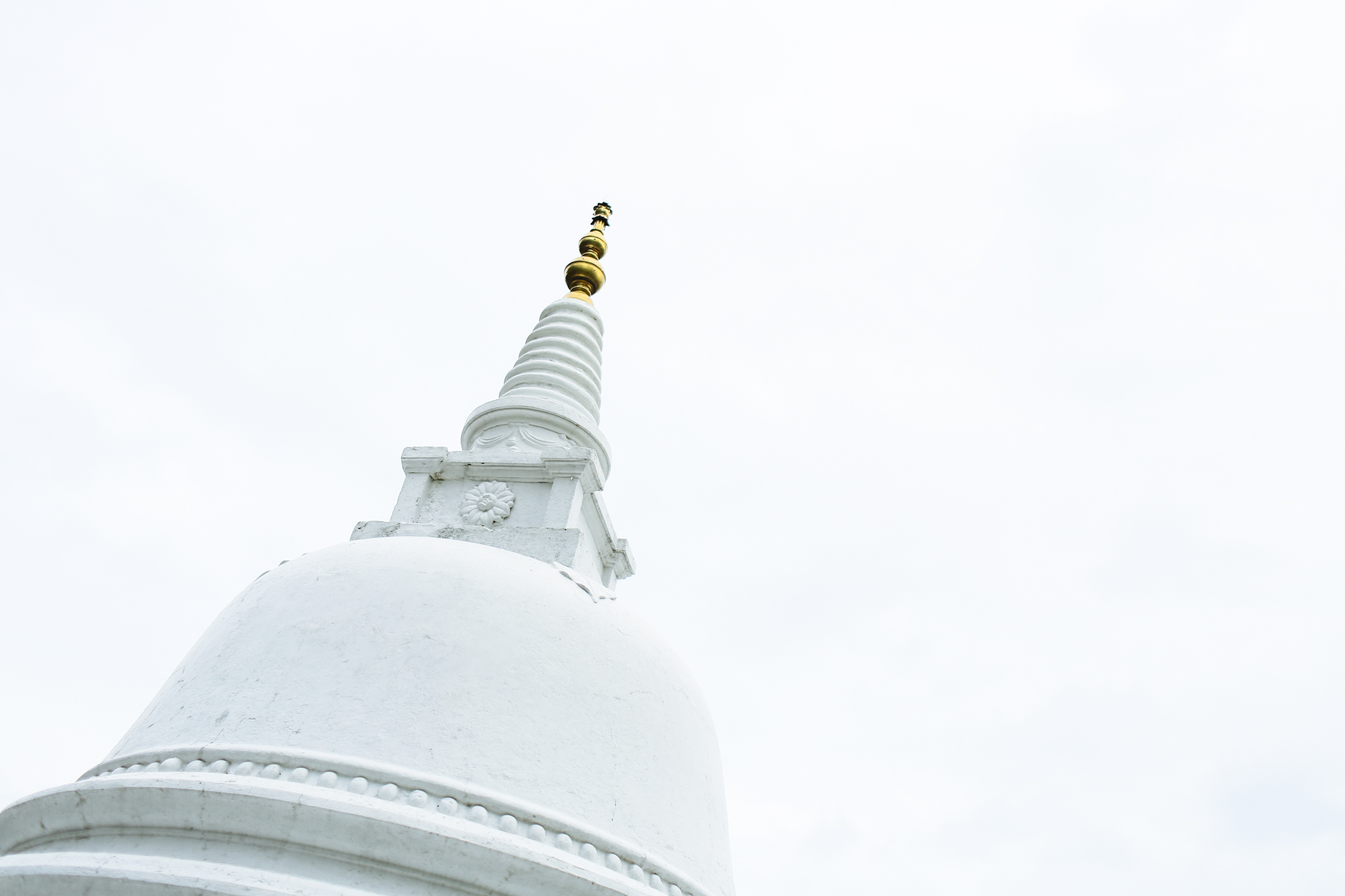
Our first impression of the coast's hinterland was a two day trip to the Udawalawe National Park. Before entering the wildlife, we discovered our first buddhist temple in Sri Lanka.
Udawalawe National Park
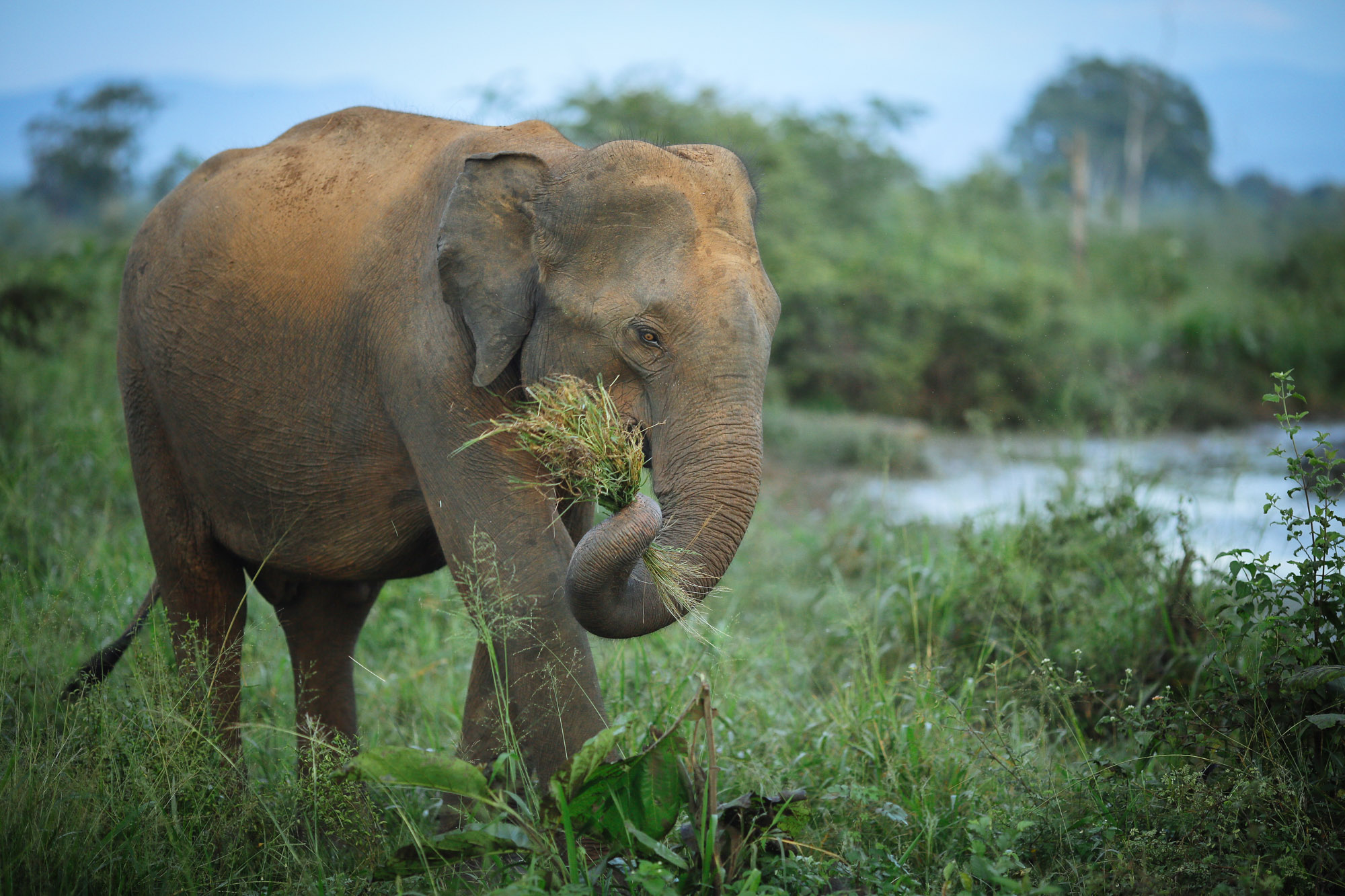
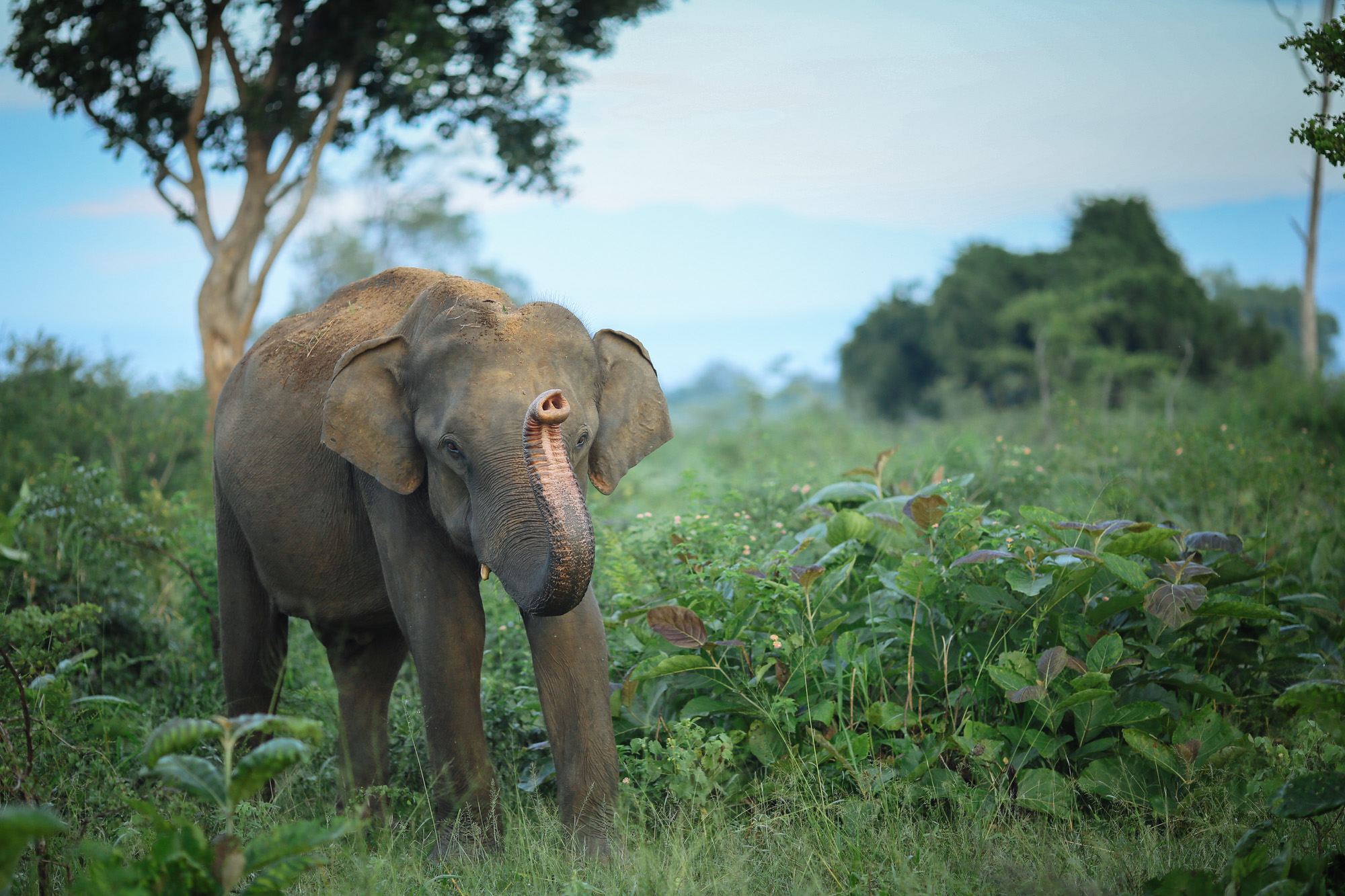
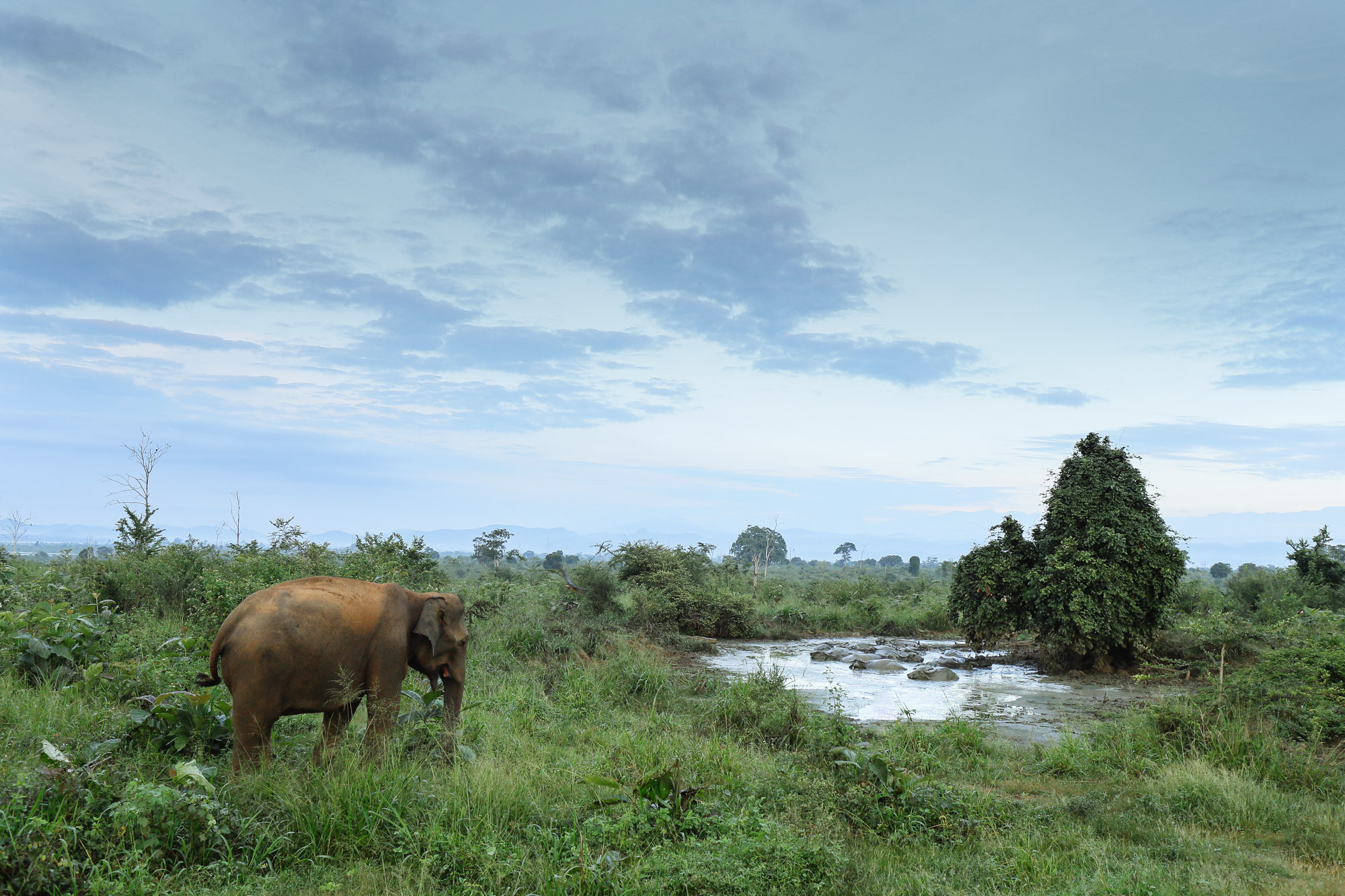
The main reason to go to Udawalawe of course is its national park. Way less touristic and crowded than the Yala NP just 60 km away, chances to see leopards here are low, but spotting elephants is nearly guaranteed.
Elephants
Just a few hundred meters behind the park entrance we discovered the first elephants. Approximately 400-500 are living in Udawalawe. Most Sri Lankan elephants have no tusk, so at least poachers are not such a big threat to the anyway decreasing population.
Tangalla
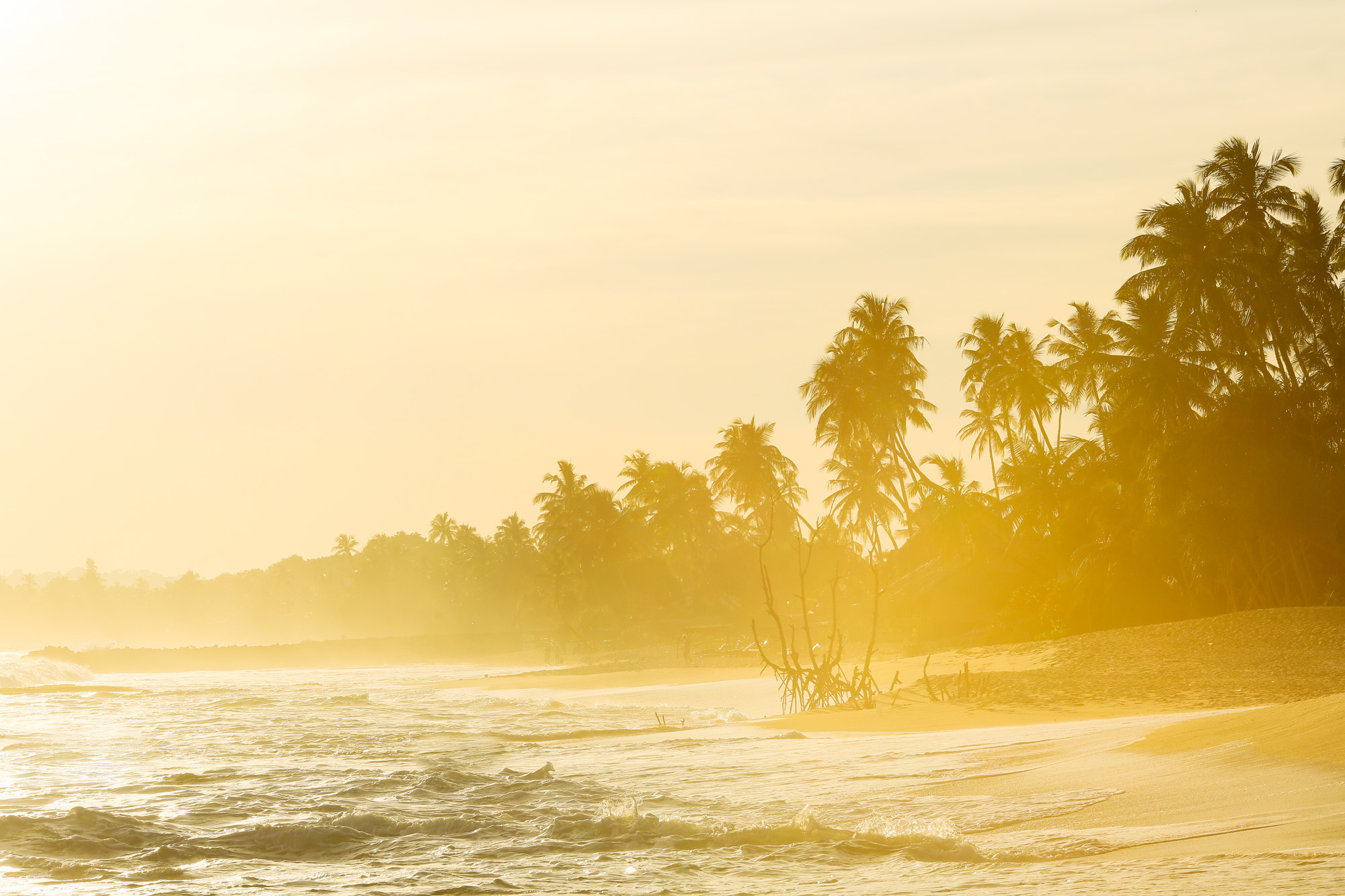
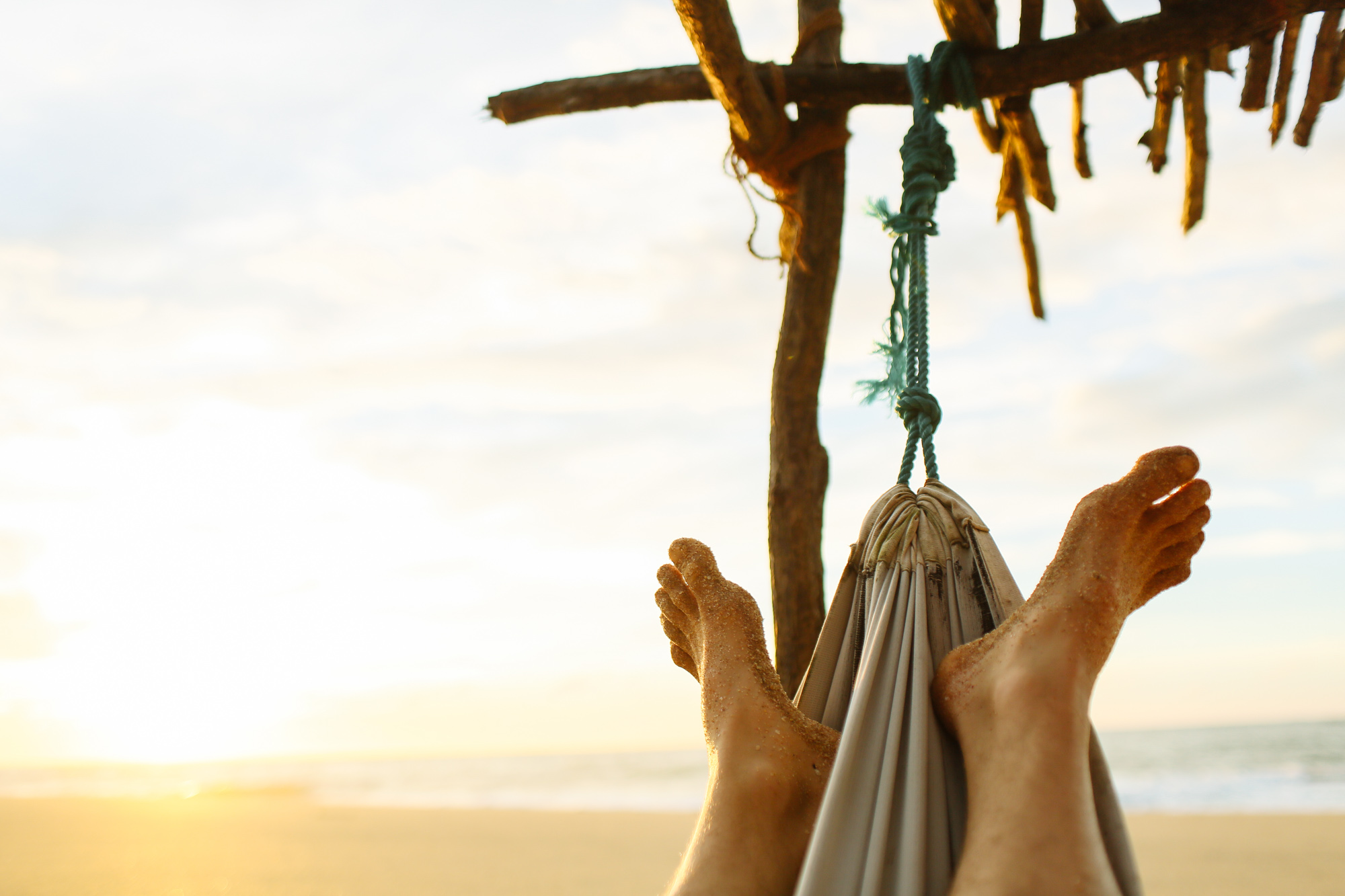
Our travel route was poorly planned, as we wanted to spend the Christmas days in a beach cabana in Tangalla and did not think about how that would fit in. But those beaches were worth every zigzag, they are just amazing!
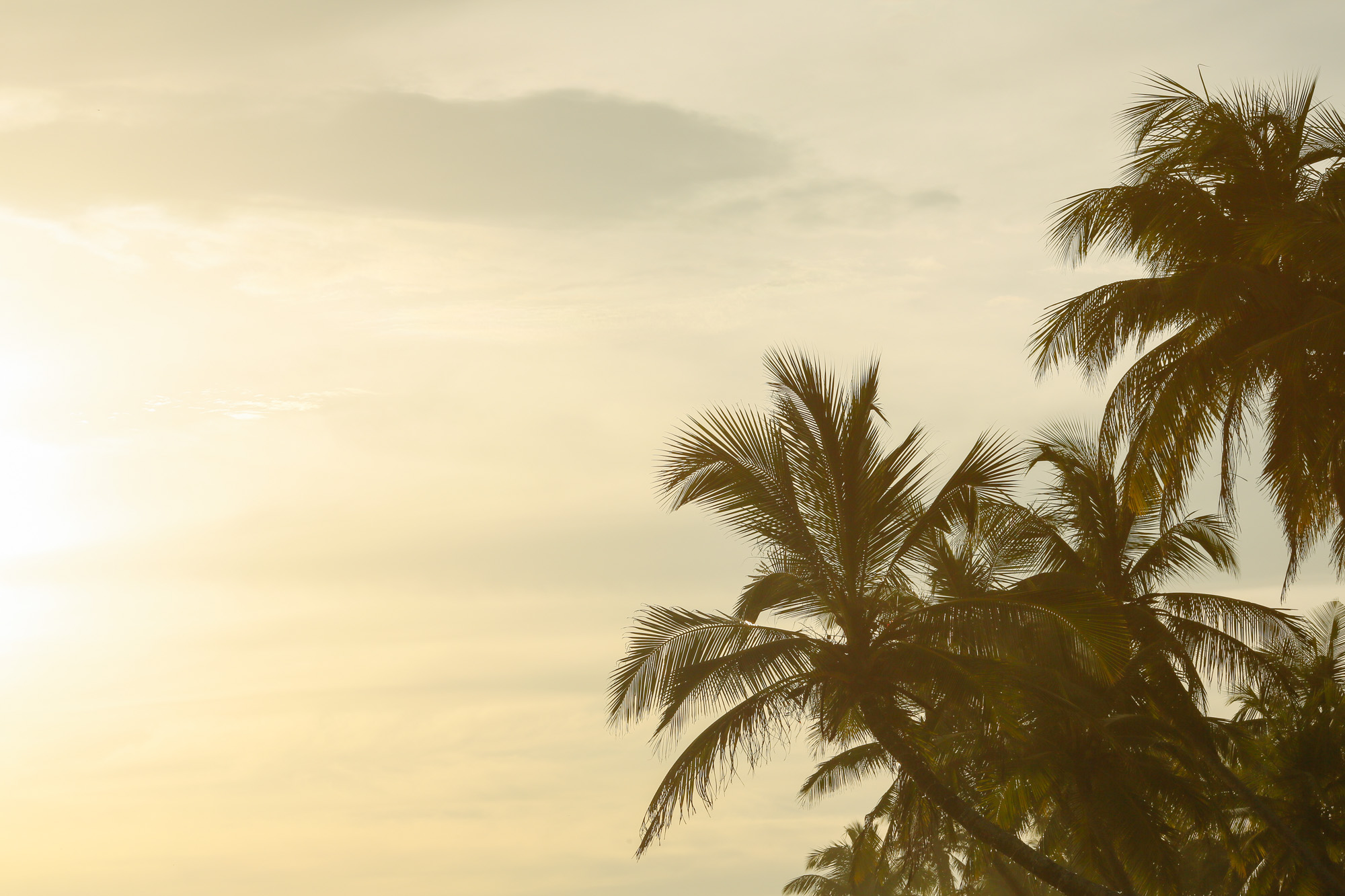
I never did and never could imagine doing a beach holiday before, but after those 3 nights in Tangalla I understand people doing this at least a bit. And with a sunrise like in Tangalla, you even don't mind running or doing yoga at 6 in the morning.
Buddhist Temple
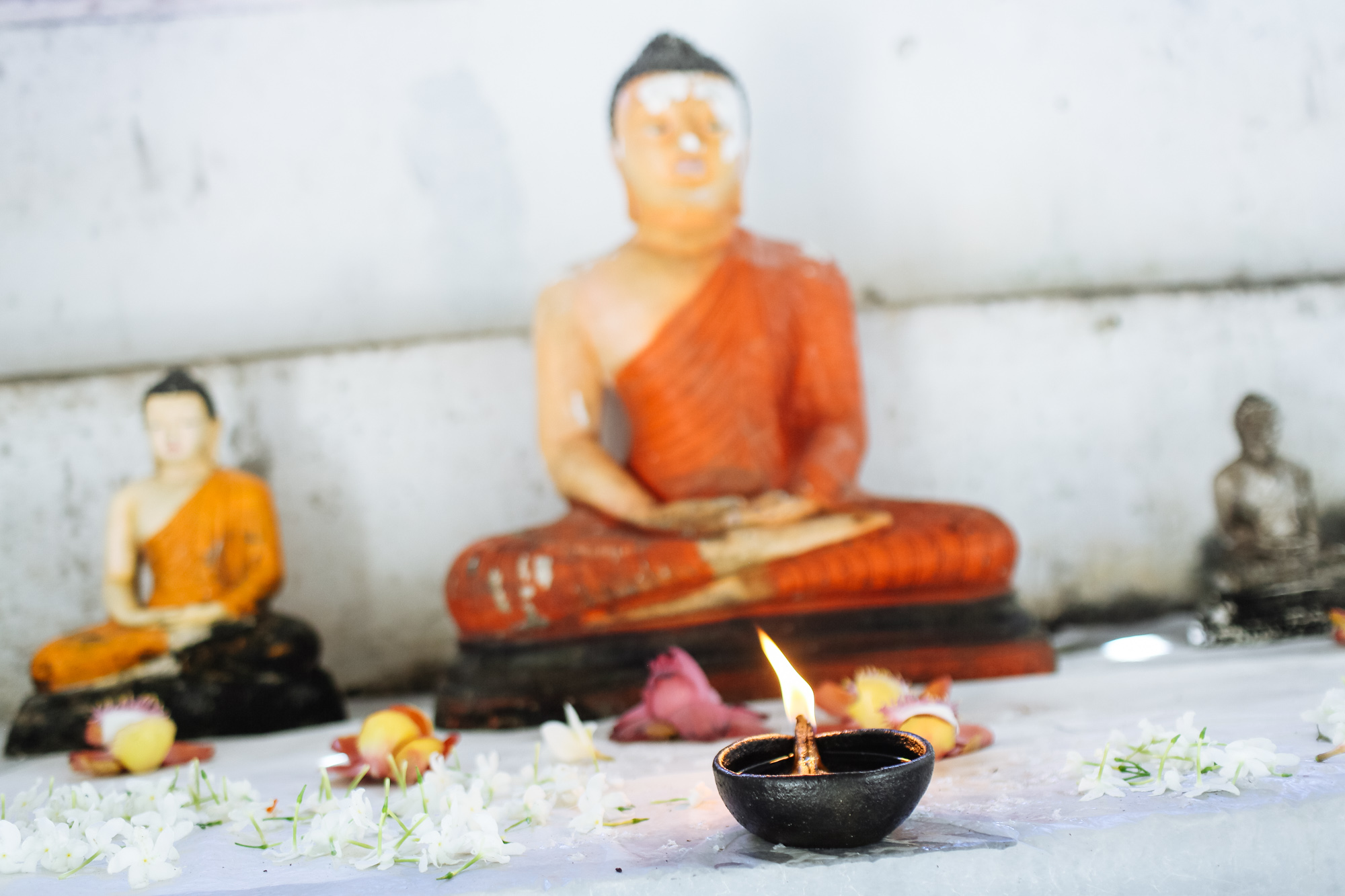
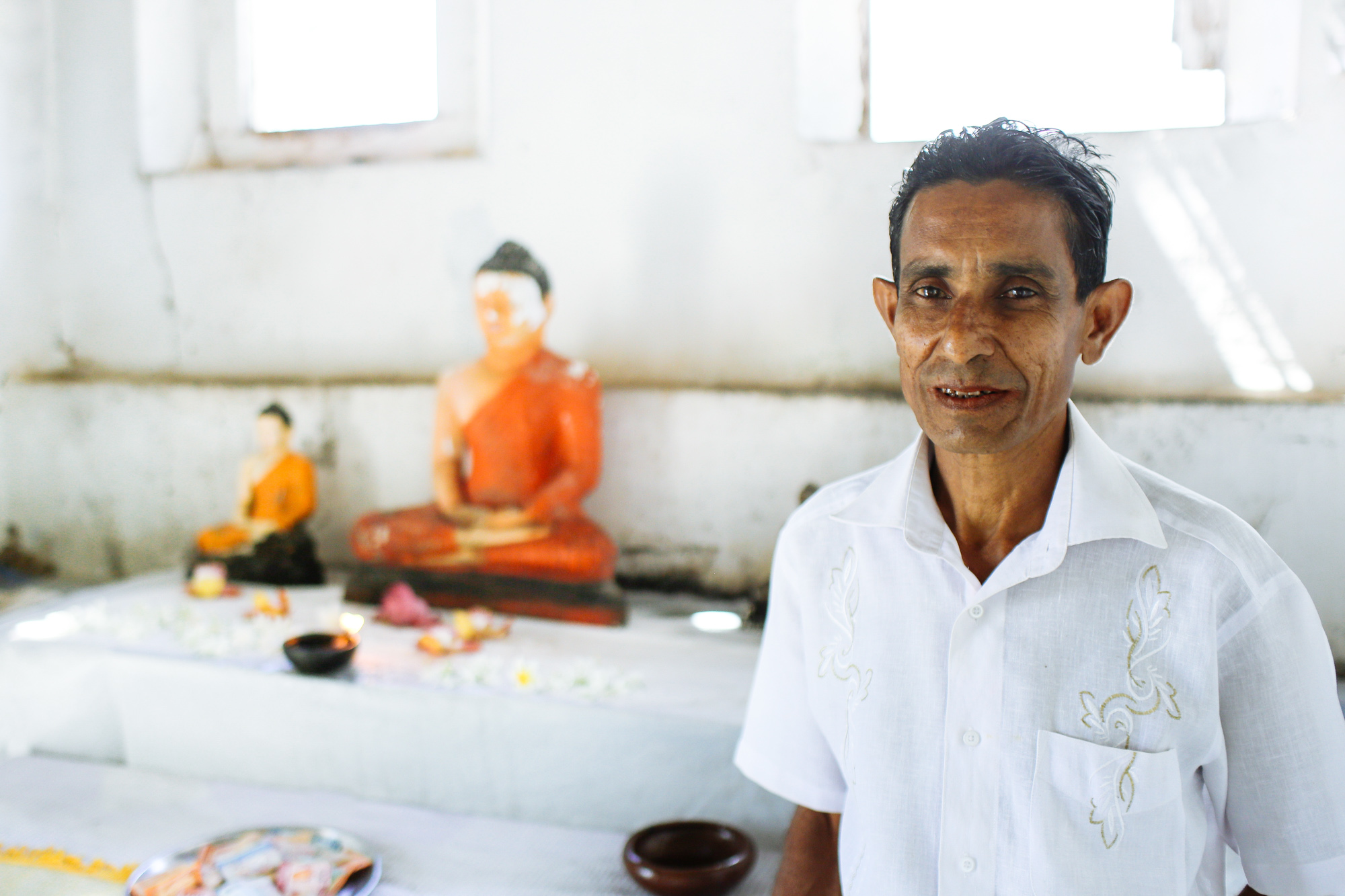
Another amazing temple, and this time we even got sort of a blessing. Or were married – who knows ;)

Haputale
Finally the highlands. The green tea leaves replaced the blue skies and sea of Tangalla.
Horton Plains
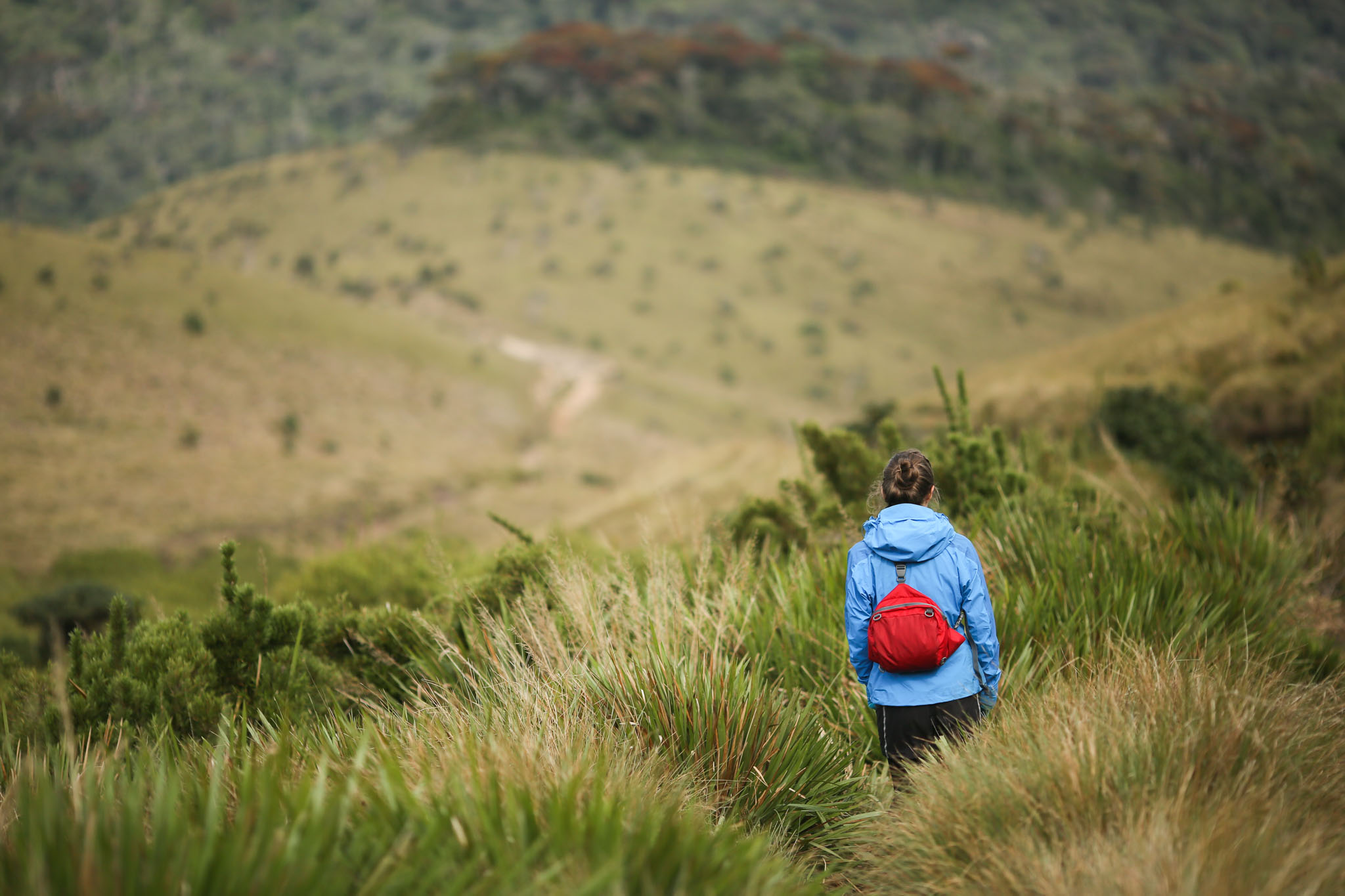
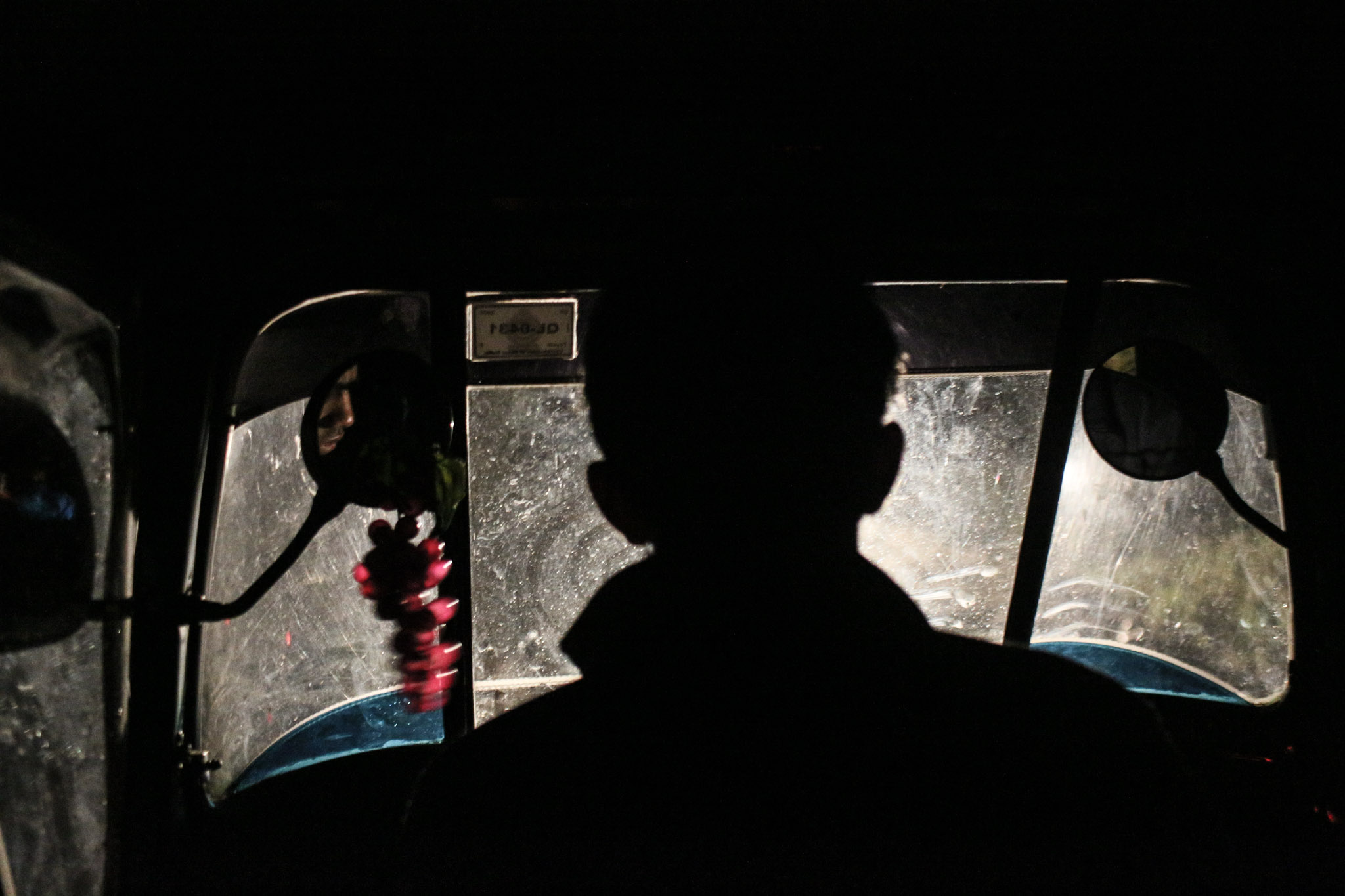
The national park is famous for a thing called "World's End", a cliff in the mountains with an 800 m vertical drop. If you're used to the alps, the whole thing is not sooo impressive (and I doubt the height as well), but the two hours Tuk Tuk ride through the night and the other landscape are definitely worth the money.
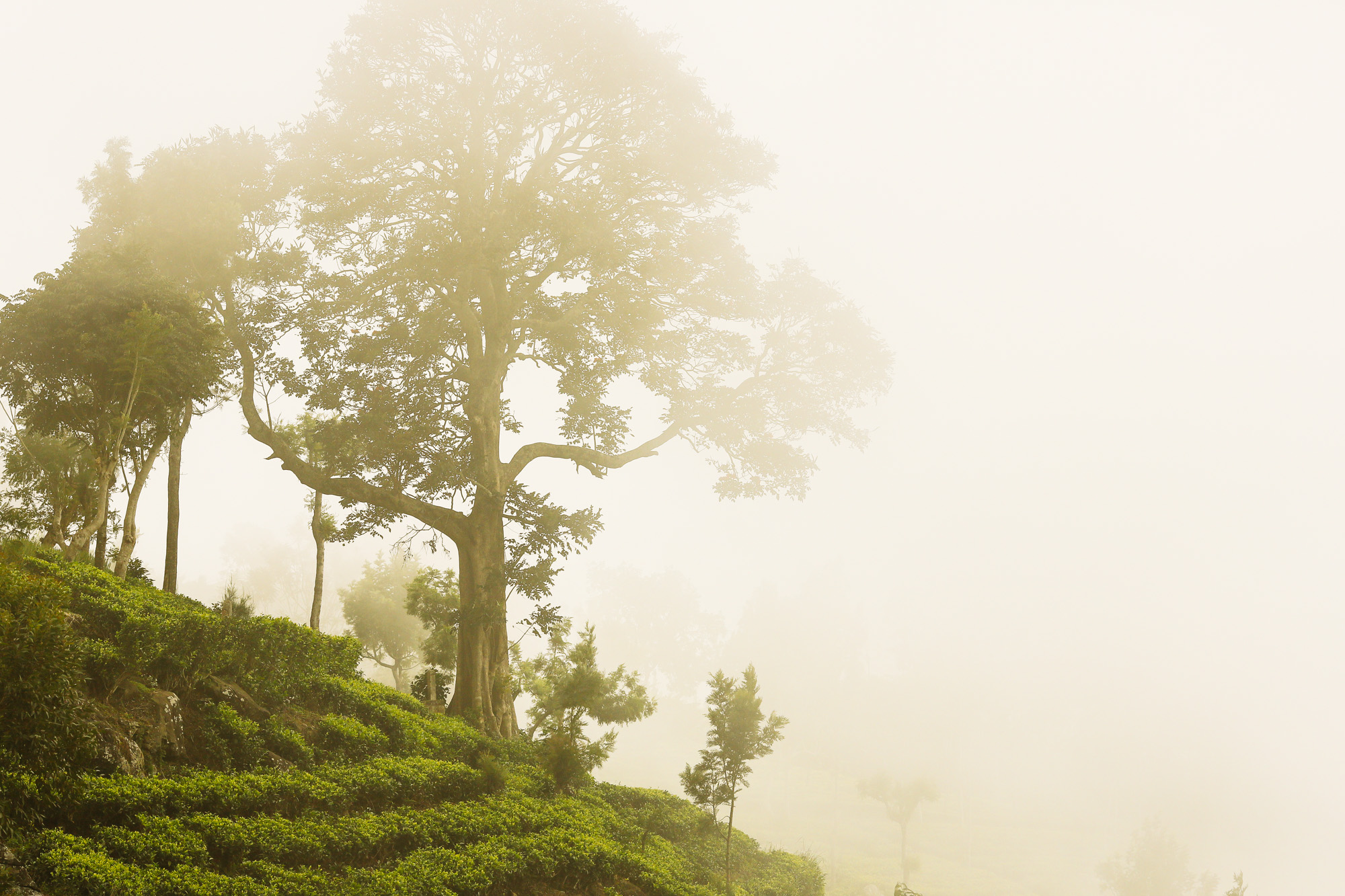
Tea Country
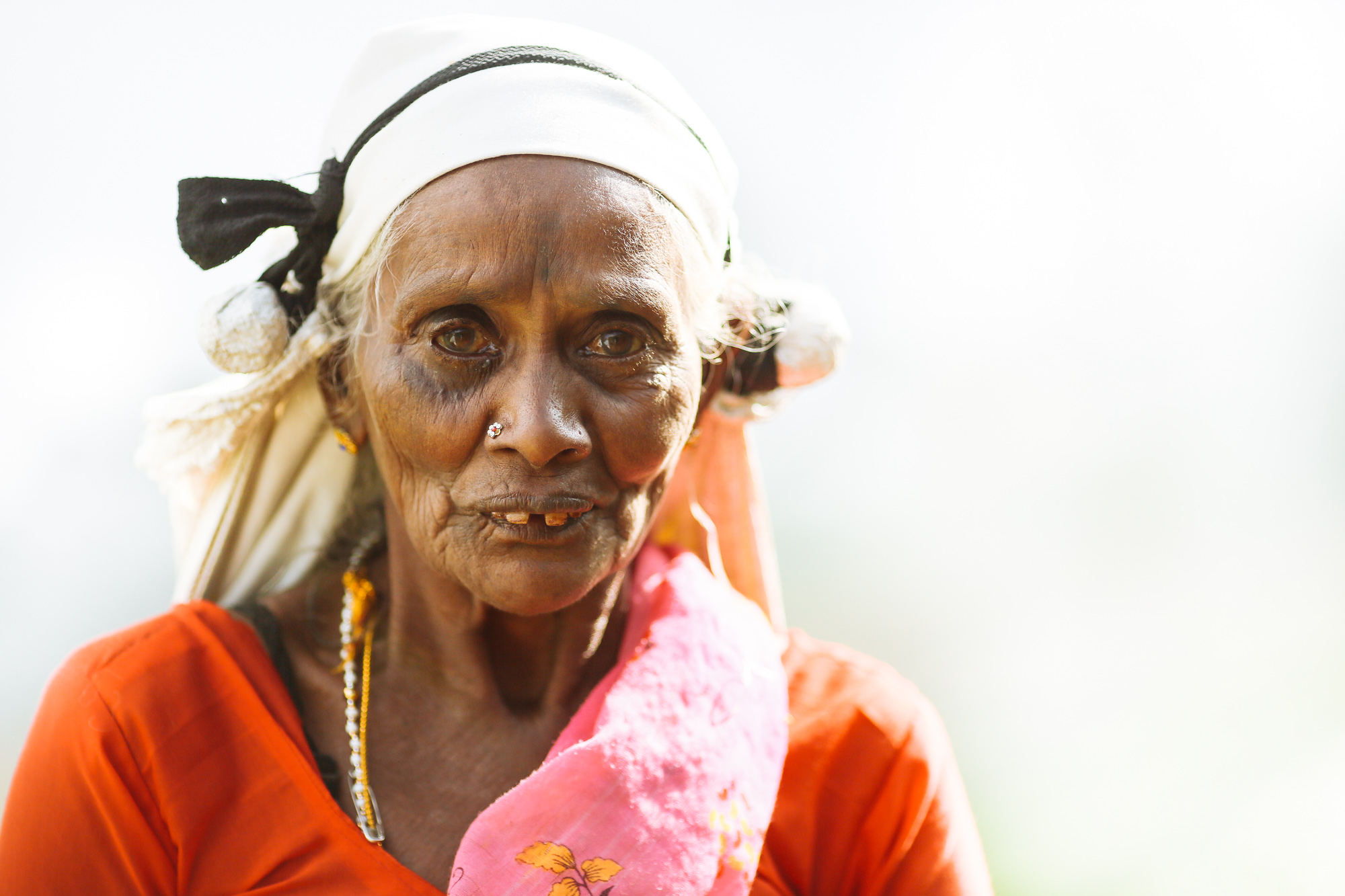
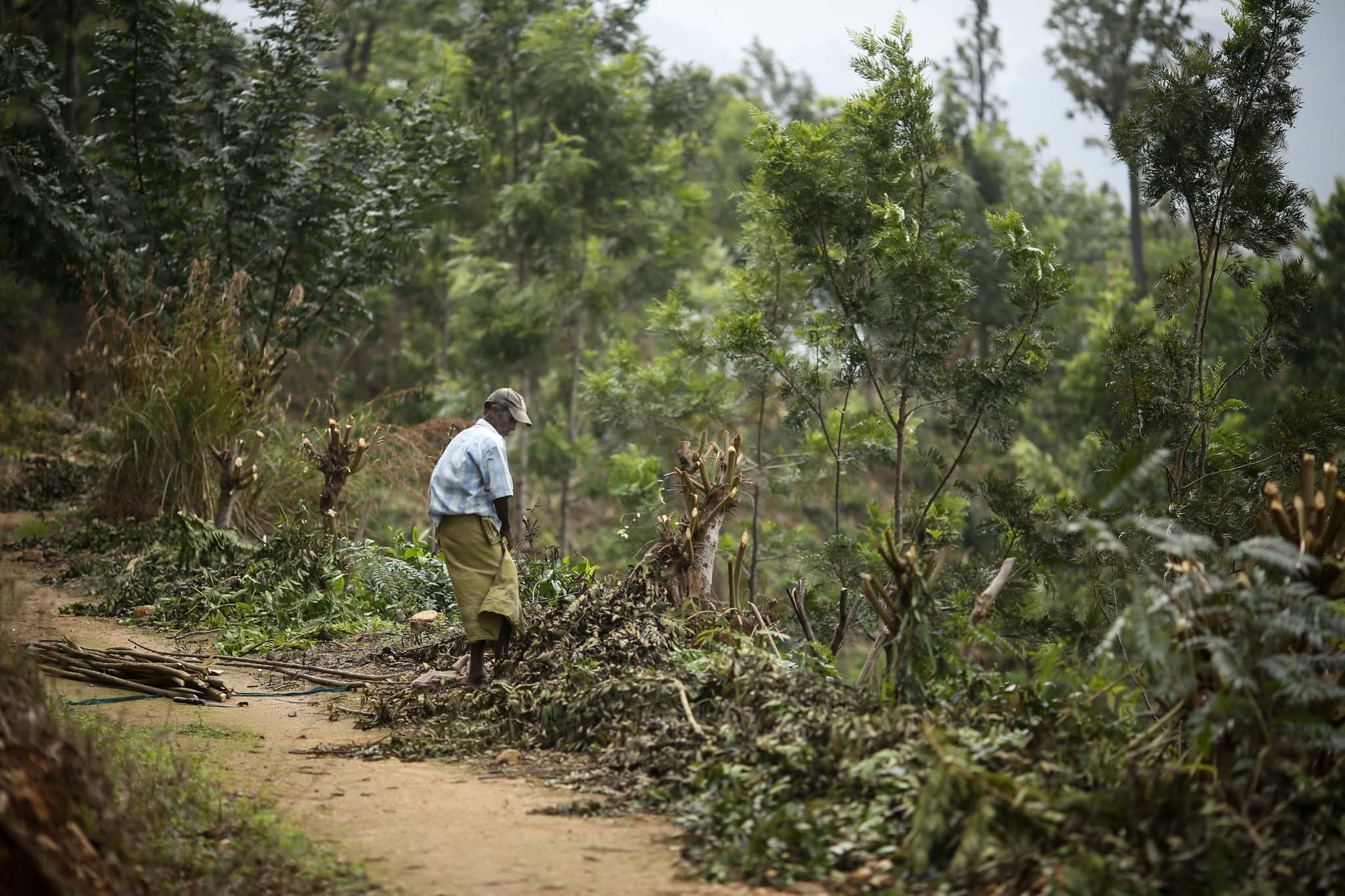
Haputale is in the heart of Sri Lankas tea industry. Tea plantations are everywhere, trucks are moving bags of fresh harvested leaves to the factories and buses carry the Tamil pickers around.
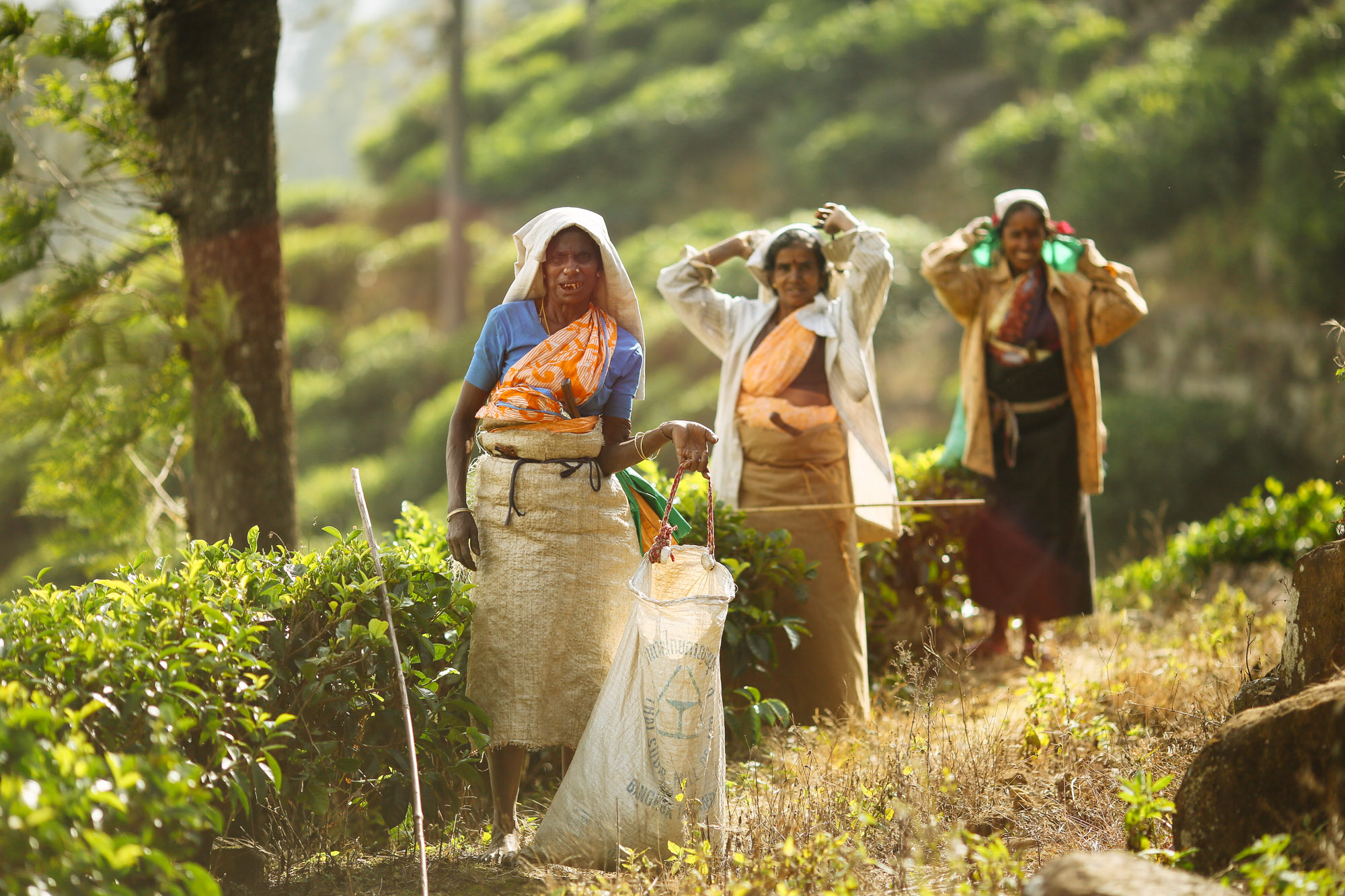
Tea Factories
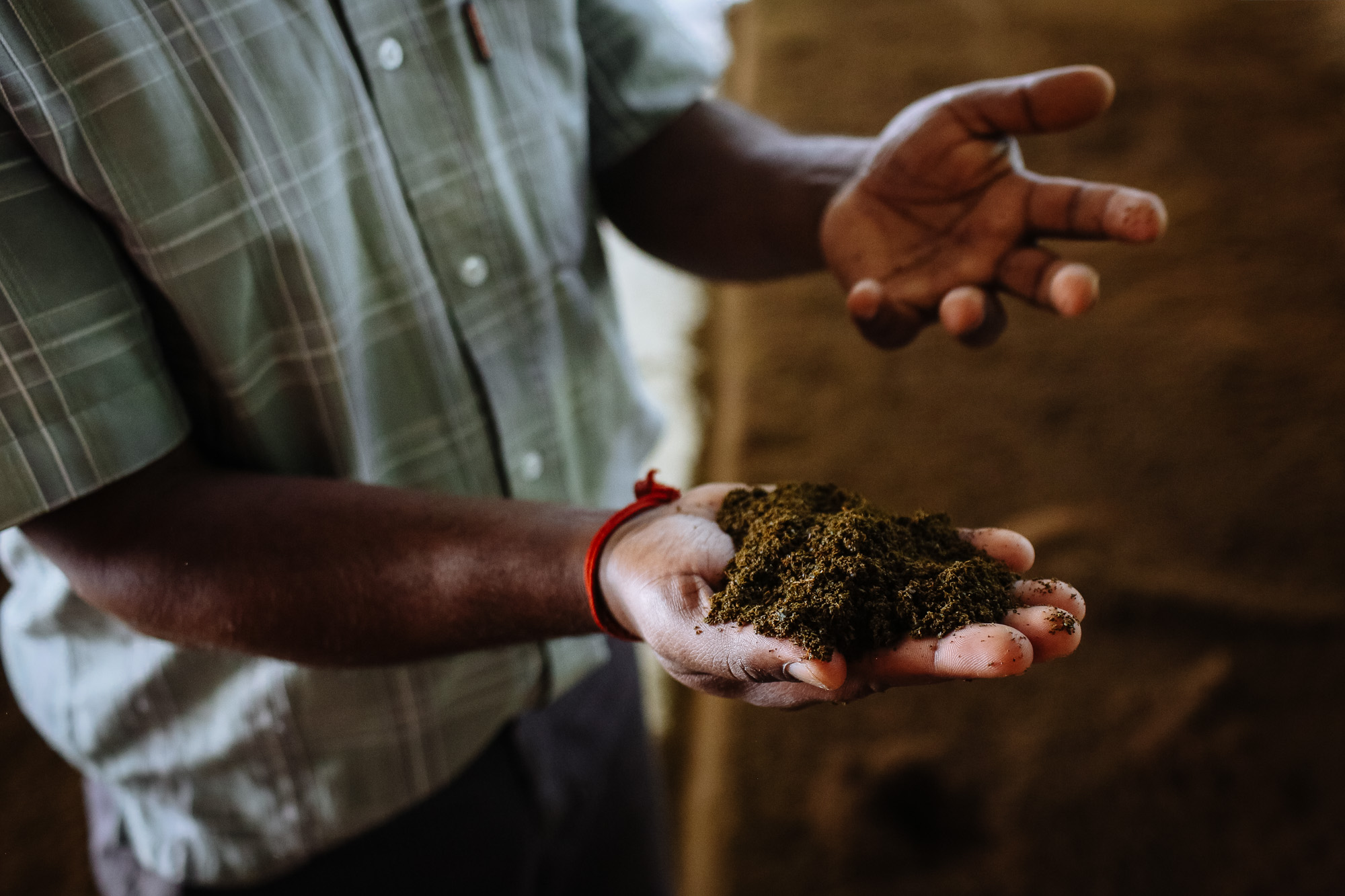
The harvested leaves are processed in the numerous factories in the highlands. The Dambetanne factory near Haputale was once built by Sir Thomas Lipton himself and now supplies various famous brands all over the world. They were not happy about me taking pictures there, so I kept it to a minimum – although it would have been extremely interesting…
Getting Around: Tuk Tuks
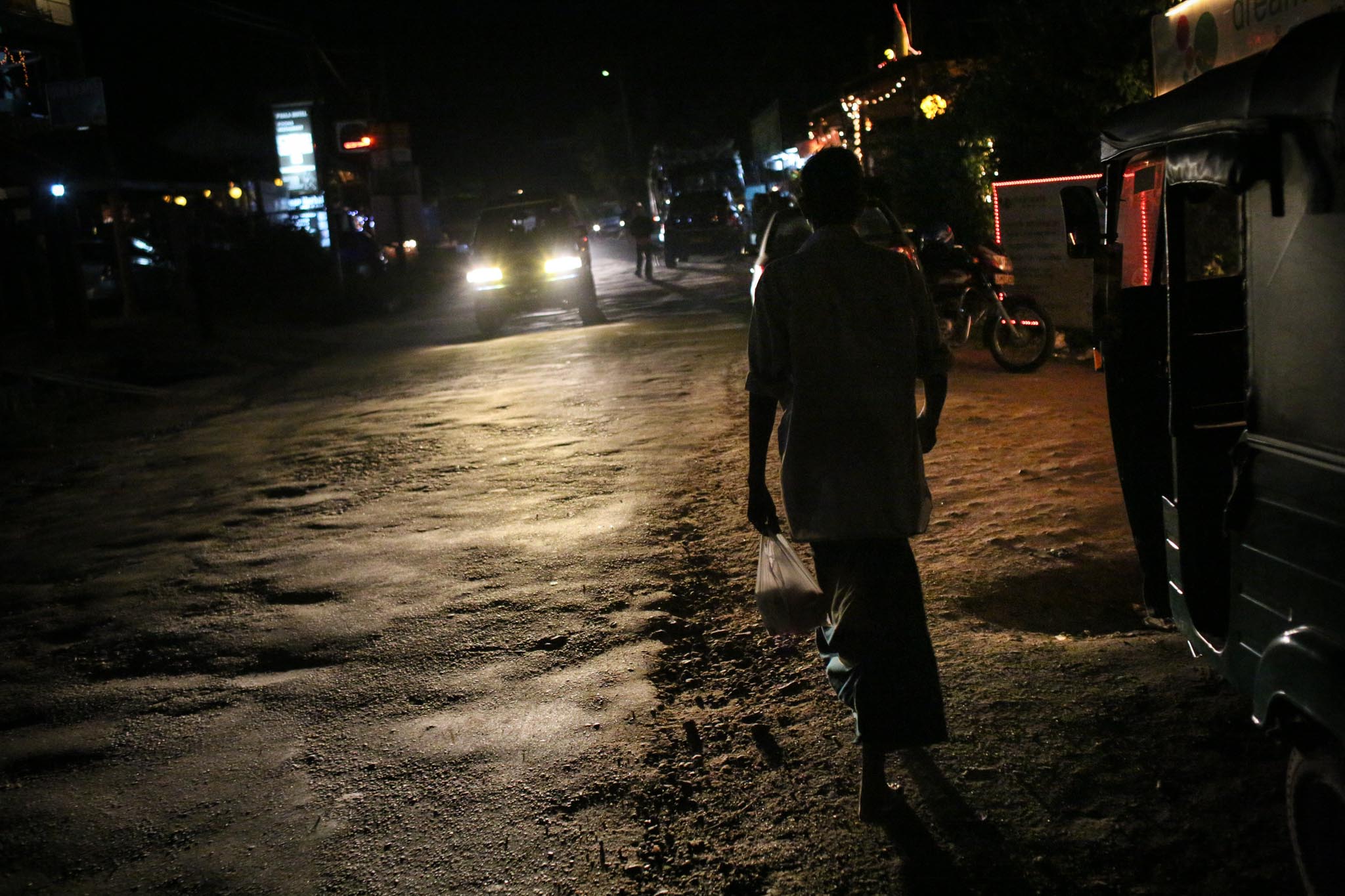
Most of local transport is done by those crazy three-wheelers and, if necessary, also whatever needs to be carried for longer distances. For example us, the 36 kilometers up a bumpy road to Horton Plains in the freezing morning.
Ella
Ella is way more popular for tourists than Haputale. The town itself can't be the reason, but the surrounding mountain area is worth every hike.
Street Food
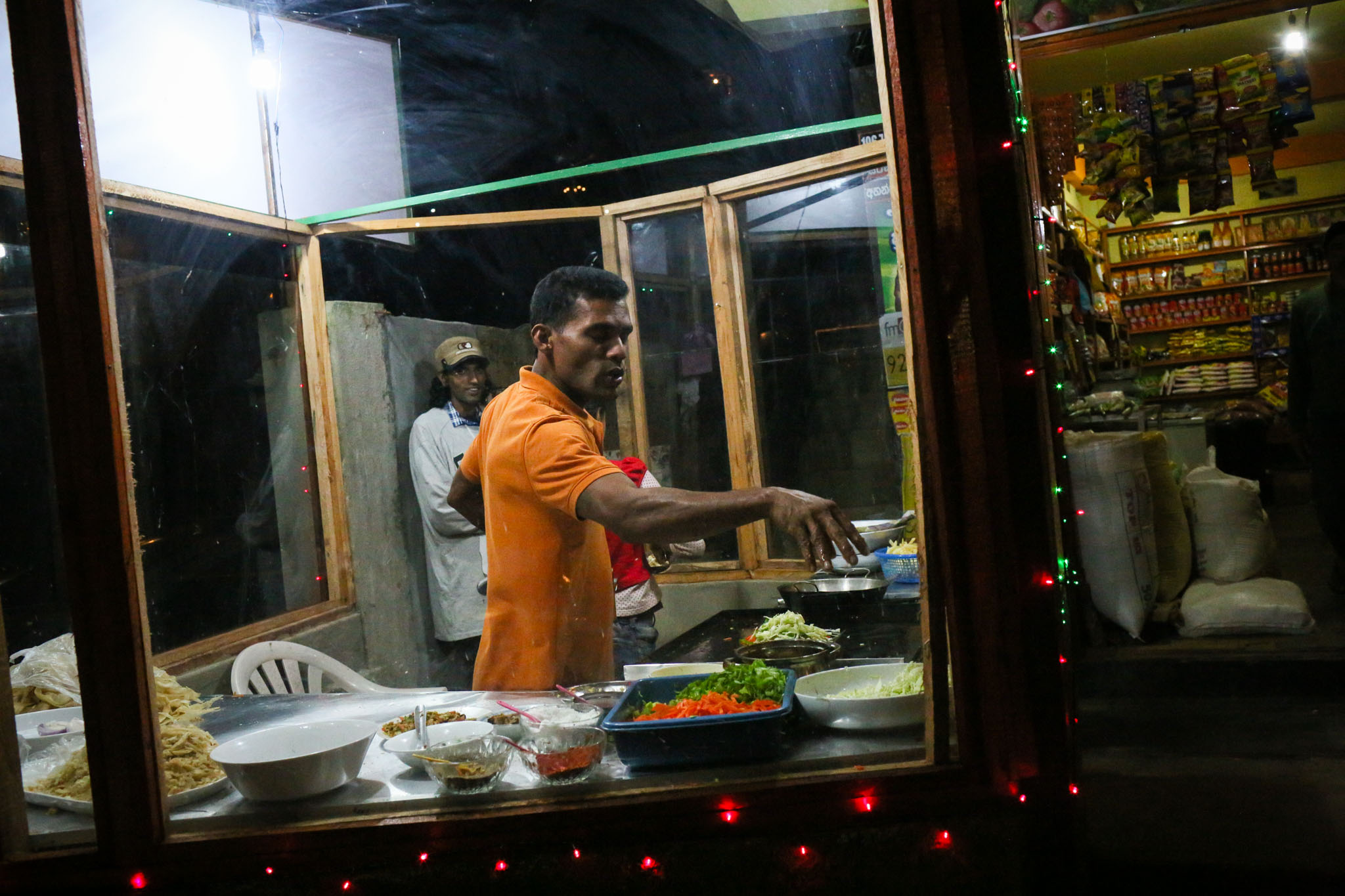
Rice and Curry is THE Sri Lankan food. But at least as interesting are all the street foods sold as a small snack, such as Samosa, (Kottu) Rotti or Hoppers.
Getting Around: Trains
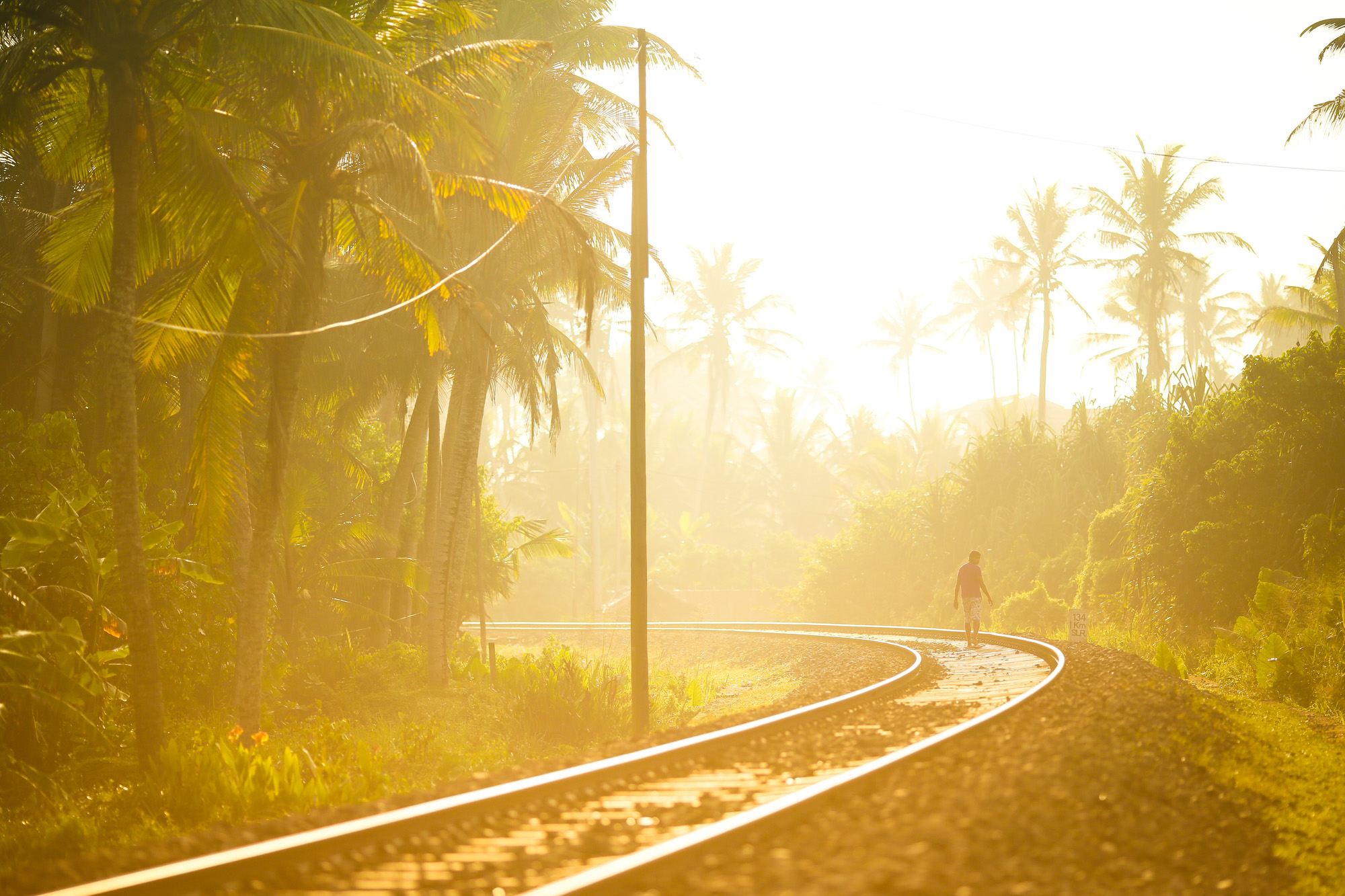
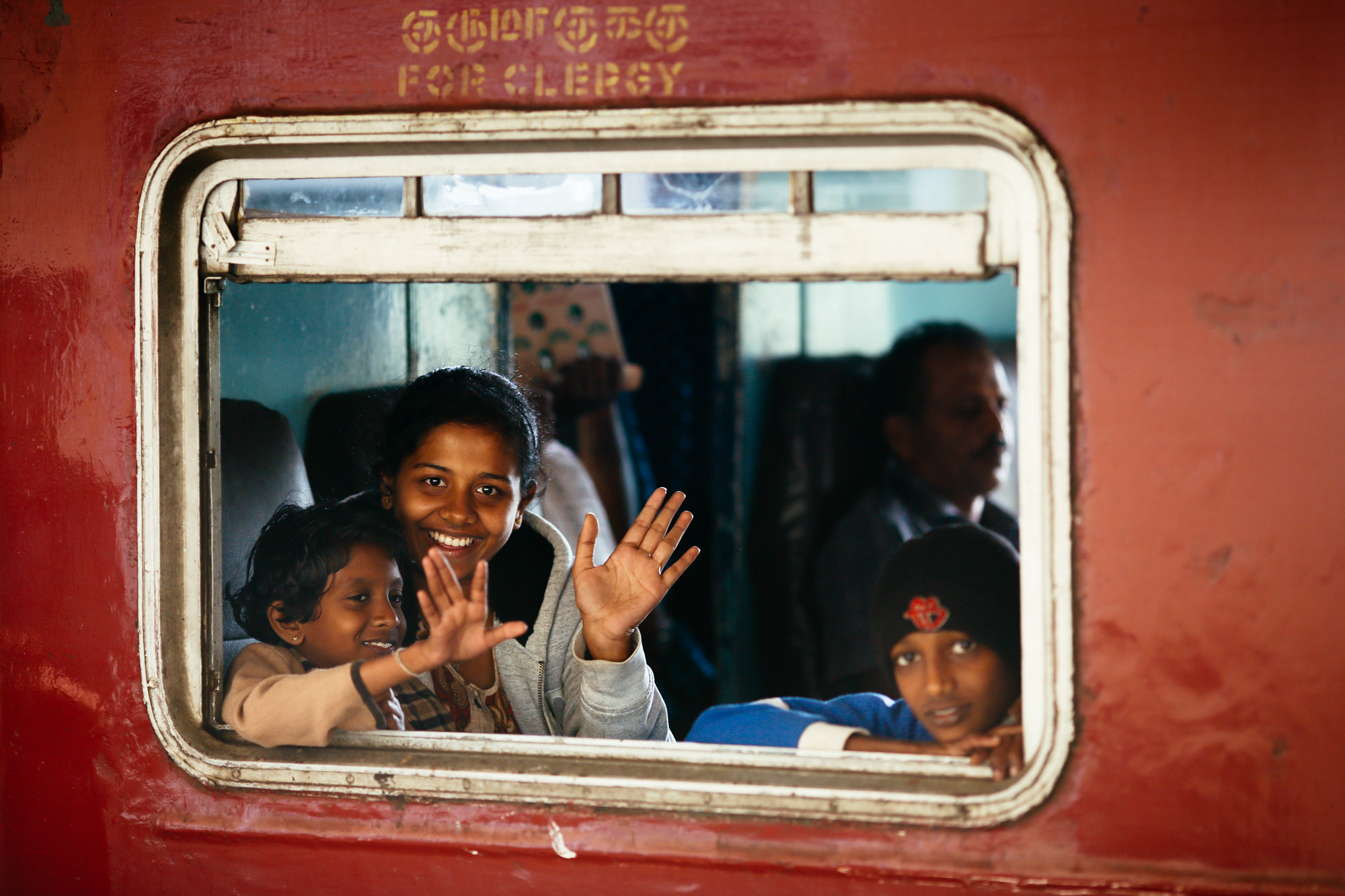
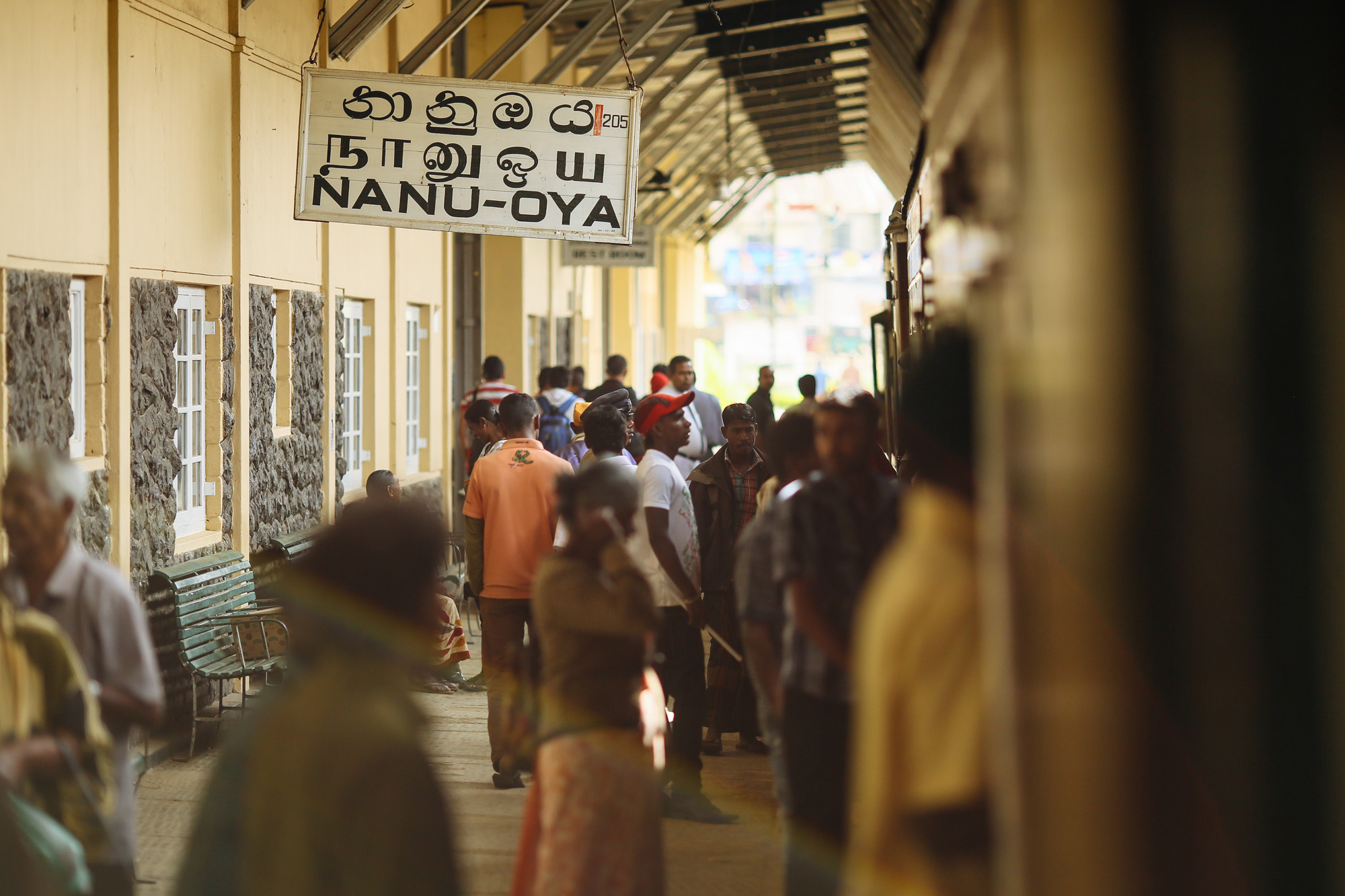
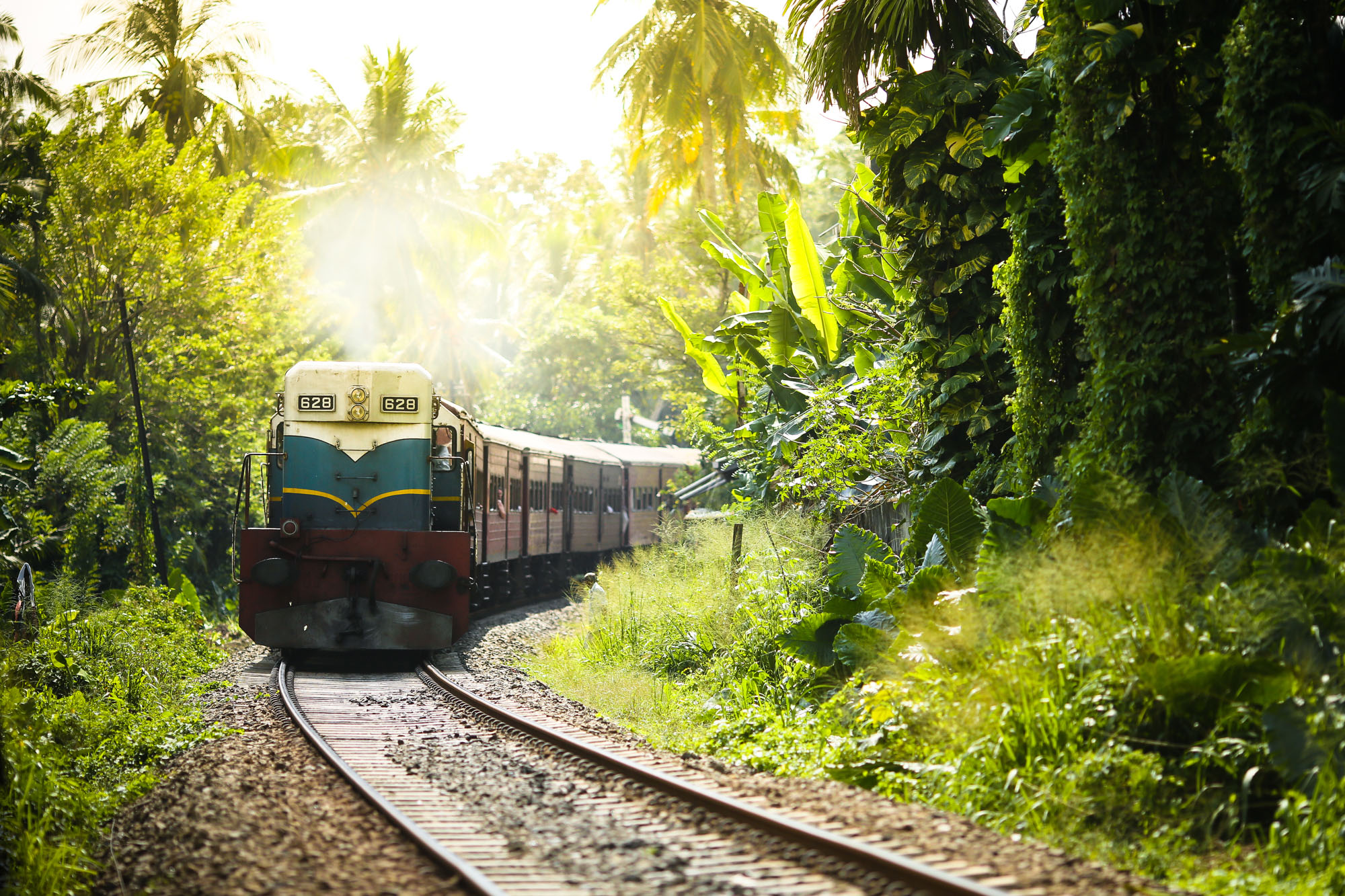
Everyone you ask is crazy about the the amazing train rides across the central highlands. And guess what? They are just right. We went from Ella all the way back to the west coast – a 10 hours journey that never gets boring.


Negombo
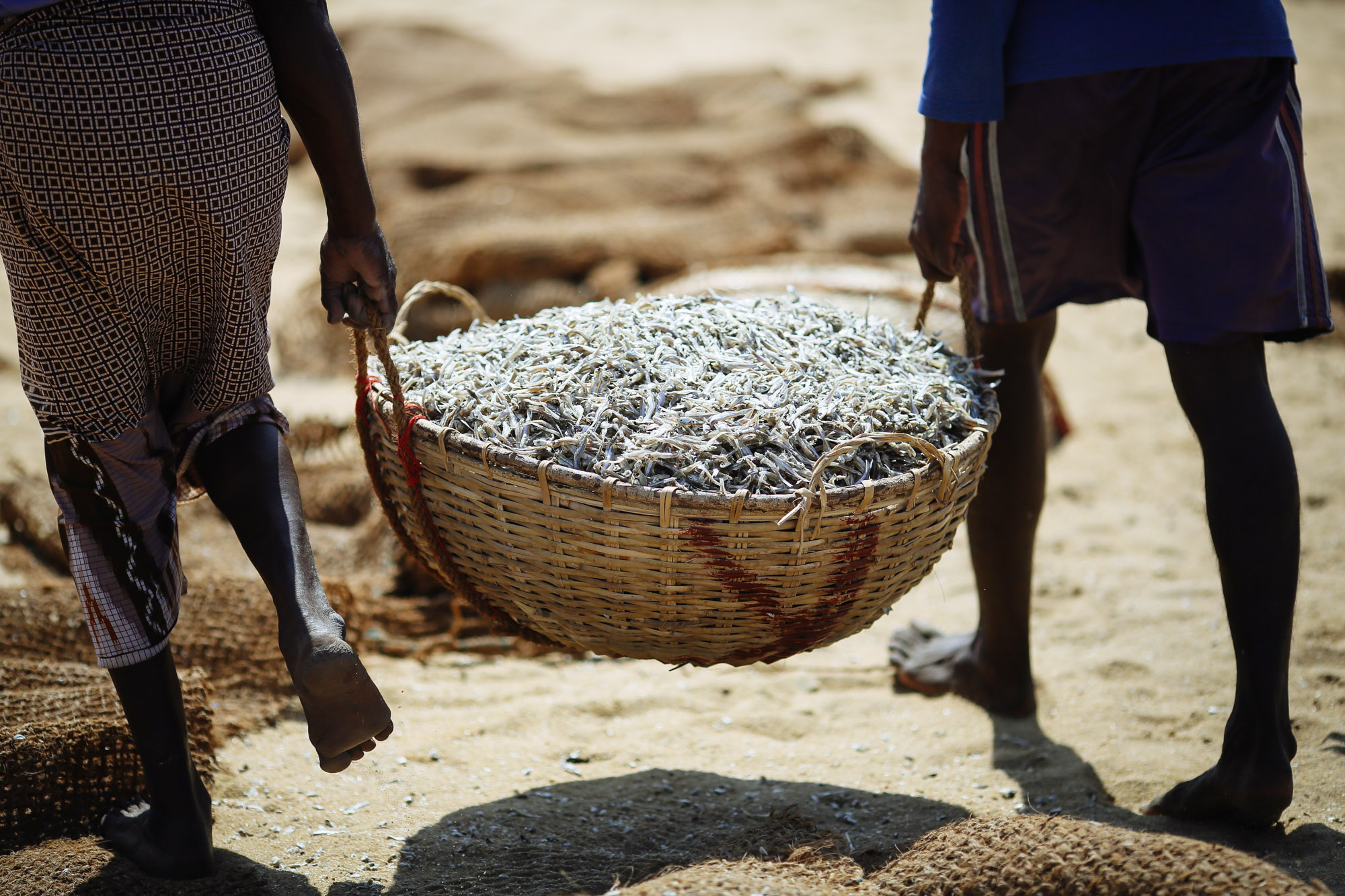
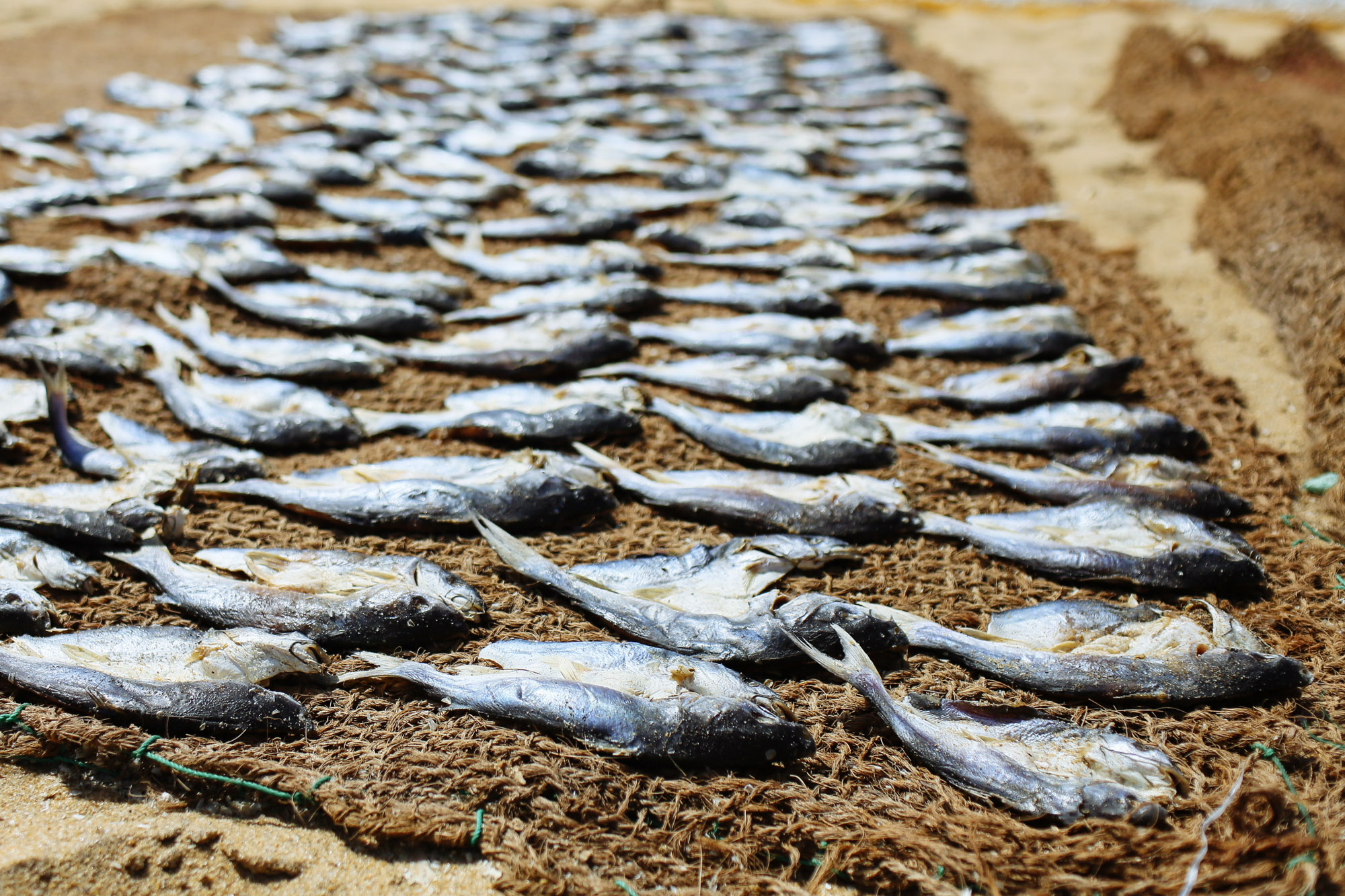
Our last day in Sri Lanka – and as Colombo for the first night actually not much more than a stopover before getting back home from an amazing travel. I was already missing the crowded markets I am so magically attracted to wherever I am. Finally, in Negombo I found one: The Fish Market. Even as we arrived relatively late, around 11 am, there was still plenty of fish delivered to the beach to be prepared and sold on site.